Get Full Government Meeting Transcripts, Videos, & Alerts Forever!
Get email alerts on the Data Center Ordinance topic
No spam. Unsubscribe anytime.
Data‑center ordinance sparks heated debate over drafting responsibility and public input in Oliver County
Summary
Multiple drafts of a proposed data‑center ordinance prompted extended debate between planning board members, county legal, and residents; residents said 60+ letters and water concerns had not been adequately addressed and the board discussed the role of legal counsel (Patrick Waters) versus the planning board in drafting ordinance language.
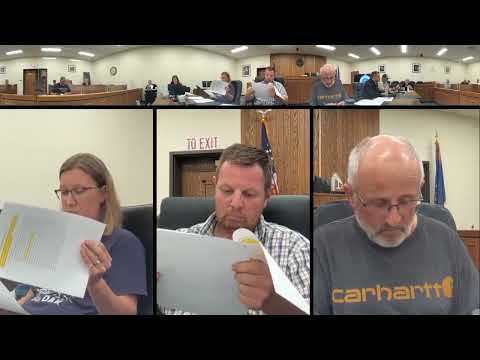
The planning board reviewed several competing drafts of a proposed data‑center ordinance and spent a prolonged portion of the meeting clarifying who should draft the language and how public input would be incorporated.
Staff presented multiple drafts submitted to the board: a draft prepared by county legal (Patrick Waters), two drafts submitted earlier by a board member named Matt, and a separate draft from a private party, Rich Badger. Patrick Waters said he had been instructed by the county commissioners to draft an ordinance after the moratorium ended and provided his draft to the planning board for review and recommendation.
Board members and residents disagreed about whether the legal draft reflected promised public input and whether the planning board should assemble a consolidated draft from public comments. One board member noted having received "about 60 letters" and said she had tried to incorporate stipulations and water protections into the draft. Public speakers pressed the board to summarize common themes from submitted letters and to clarify which issues were within county authority (for example, water resource protections versus state oversight).
Concerns raised by residents centered on water usage, the adequacy of outreach to residents without internet or newspaper access, and the pace of the drafting process. Commissioners responded that they had read submissions and defended the time they had spent reviewing issues, while some board members urged a moderated process to extract common concerns and translate them into ordinance provisions and stipulations.
Next steps: Staff said drafts should be reviewed, the planning board may assemble recommended language and forward it with a recommendation to the county commissioners, and properly noticed public hearings are required before any ordinance adoption. The board also scheduled the comprehensive plan public hearing for the June meeting and said SRF Consulting would attend to assist with presentation.