Get Full Government Meeting Transcripts, Videos, & Alerts Forever!
Get email alerts on the Wind Energy topic
No spam. Unsubscribe anytime.
Oliver County amends wind setback to four times turbine tip height after safety letter and months of public comment
Summary
After weeks of public testimony and a NextEra safety advisory about loose bolts, Oliver County commissioners voted to increase the setback for non‑participating residences to four times turbine tip height and asked NextEra for a repair timeline and clearer landowner communication.
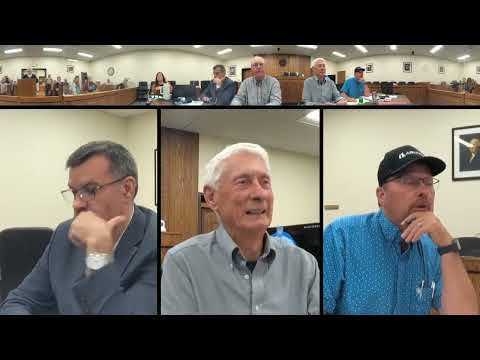
Oliver County commissioners voted to amend the county wind ordinance, increasing the setback for non‑participating residences to four times turbine tip height after an extended public hearing and a spate of landowner complaints about an unsolicited NextEra letter.
The measure, approved in a roll‑call vote after more than three hours of public comment, changes the county standard from the previous three‑times tip‑height approach to a larger multiplier. Commissioners said the change aims to better protect residents’ quiet enjoyment of property and give landowners more leverage when projects are proposed.
Why it mattered: The debate intensified after several landowners reported receiving a NextEra mailing advising people to stay at least 150 feet from turbine bases ‘‘unless appropriate arrangements are made.’’ Citizens told the board the advisory disrupted routine farm activities — from spraying to checking livestock — and that the company’s initial outreach left them uncertain whether the notice was a scam or an urgent safety alert.
NextEra responded in the meeting through Alex Vineyard, the company’s on‑site operations manager, who said the notices were sent out of an abundance of caution after the company identified specific blade‑attachment bolts that could loosen on a subset of turbines at the Oliver Wind 4 project. Vineyard said one bolt had come loose since installation but did not fall to the ground; he said inspections and proactive repairs were underway and urged landowners to call the number on the letter to request a turbine shut‑down for safe access. Vineyard did not give a firm completion date but said inspections and repairs were being prioritized.
Commissioner and public demands: Commissioners pressed NextEra for more precise timelines and documentation; one commissioner directed the company to provide a written plan and a repair timeline by the end of the next business day for county staff to share with affected residents. Multiple landowners testified about past turbine damage, debris fields, and perceived shortfalls in follow‑up or cleanup after incidents. Industry representatives and technical witnesses urged the county to rely on state PSC setbacks and on engineering data; proponents of larger setbacks said a multiplier tied to tip height (rather than a fixed linear distance) adapts as turbines get taller.
What the amendment does: The new county standard sets the setback for non‑participating residences at four times the turbine tip height. By the board’s accounting, that multiplier will place most modern turbines farther from homes than the prior three‑times standard and is intended to reduce audible and low‑frequency impacts, shadow‑flicker exposure and perceived risk from rare mechanical failures.
Next steps: County staff asked NextEra to provide the requested repair plan and schedule and said staff will circulate any company responses to residents. The board also signaled it will continue to require robust third‑party studies (noise and safety) and expects industry applicants to provide mitigation, emergency‑response coordination, and cleanup commitments in conditional‑use or permitting processes.
Quotes: "I don't want to tell people not to use their land without a realistic time frame to do so safely," a commissioner said during the hearing. "If there's a legitimate reason why these letters were sent, I want to know what it is and when repairs will happen." Alex Vineyard (NextEra) said the notices were precautionary and that the company was increasing inspections and scheduling repairs.
Bottom line: The county moved to a larger, tip‑height‑based setback after heated public comment and an industry safety advisory. The change preserves a regulatory lever for residents while county staff pursue clearer communication and a repair timeline from the operator.