Get Full Government Meeting Transcripts, Videos, & Alerts Forever!
Get email alerts on the Charter Compliance topic
No spam. Unsubscribe anytime.
Harwich commission outlines compliance ‘clearing house’ and hearing panel to handle charter disputes
Summary
Commissioners proposed a two‑step compliance process: a commission vetting step and, if warranted, a separate hearing panel (potentially town clerk + moderator + one designee) to interpret charter questions. The change is framed as educational and deterrent, not punitive.
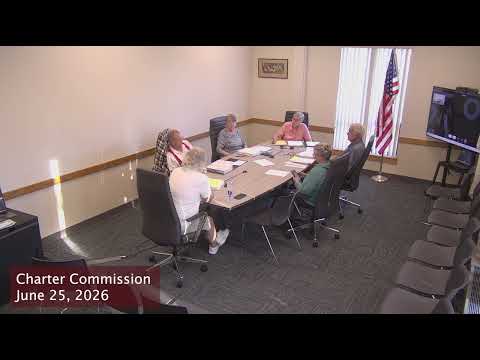
The Charter Commission advanced a proposal to handle future charter interpretation issues and alleged charter violations by creating a two‑step compliance process: 1) a charter commission 'clearing house' that vets inquiries and 2) a separate hearing panel of hearing officer(s) to hold public hearings if the clearing house finds a matter merits adjudication.
Commissioners discussed potential hearing panels that would be perceived as impartial. Several members suggested the town clerk as the primary hearing officer because the clerk is independently elected and generally not a serving member of other town bodies; others proposed a three‑person panel that could include the town clerk, the town moderator and a third designee chosen for a particular hearing. The commission emphasized that the mechanism is intended primarily as education and deterrence: many issues can be resolved informally by clarifying charter language or advising a committee to correct a practice before a hearing is needed.
Members debated who should vet initial inquiries and whether the commission itself should remain the clearing house. They also discussed practical safeguards: recusal when a hearing officer has a conflict and limiting the number of hearing officers (one to three). Commissioners noted that a final public‑hearing finding would not necessarily include an internal appeal; a party could still seek judicial review if they disagreed.
Next steps: commission members tasked Richard and another commissioner to draft language describing the clearing house and hearing panel options and return with a rewritten compliance section for the July 9 meeting.