Get Full Government Meeting Transcripts, Videos, & Alerts Forever!
Get email alerts on the Audit Finance topic
No spam. Unsubscribe anytime.
CLA audit finds clean opinion but lists four material weaknesses; finance report shows several budget shortfalls totaling millions
Summary
CliftonLarsonAllen gave Norfolk Public Schools an unmodified audit opinion for FY2025 but reported four material weaknesses (timely close & adjusting entries, AR overstatements, cutoff errors, and APA reporting issues); the division’s May financial report showed notable negative available balances — special education purchased services (~$3.4M), utilities (~$2.4M) and classroom salaries (~$1.4M) — prompting follow‑up on staffing, private placements and CSA reimbursement gaps.
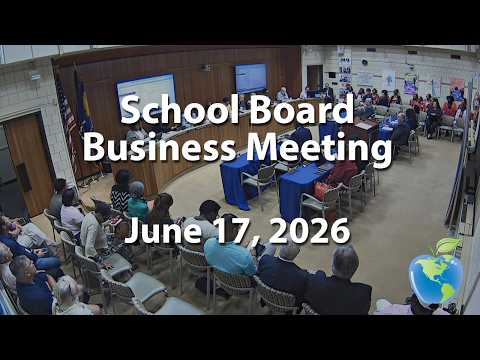
CliftonLarsonAllen (CLA) presented Norfolk Public Schools’ FY2025 financial audit on June 17 and issued an unmodified (clean) opinion on the division’s financial statements, while also reporting four material weaknesses in internal control.
Sherry Amos, principal at CLA, told the board the material weaknesses included: (1) financial close and adjusting journal entries (including a prior‑year capital projects restatement), (2) accounts receivable overstatements in grants and the general fund, (3) cutoff errors where invoices related to FY2025 were recorded in FY2026, and (4) reporting discrepancies to the Auditor of Public Accounts (APA) including an annual school report that did not reconcile to accounting records and late unclaimed‑property reporting. CLA also noted issues in the single‑audit of federal awards: two significant deficiencies tied to time‑approval controls for SR program charges and insufficient review of child nutrition monthly meal counts before submission.
CLA recommended improving year‑end close procedures, reconciling construction‑in‑process and accounts receivable, enhancing review controls for federal submissions, and regular IT access reviews. The audit team said the FY2025 audit was delayed in part because of turnover in the finance department and that the city’s December 15 reporting deadline for consolidated financials was not met this cycle.
The board also heard the division’s monthly financial report for May 31, 2026. Finance director Mr. Starks reported year‑to‑date revenues of about $415 million (87.2% of budget) and expenditures/encumbrances of about $432 million (90.8%). Several budget categories showed negative available balances: special education purchased services (~$3.4 million negative), operations and maintenance utilities (~$2.4 million negative), classroom instruction salaries (~$1.4 million negative), nonregular day school programs (~$1.0 million negative), employee benefits, student attendance and health purchased services (~$633,000 negative), and school social workers (~$410,000 negative). Finance staff said they are actively reviewing offsets and year‑end reprogramming options.
Board members pressed staff on whether the special‑education overspend was driven by rising student need or higher unit costs and private placements. Administration said the district is seeing increased special‑education complexity (more students needing restrictive or private placements and higher C‑SEP commitments), that contract services were used where positions could not be staffed, and that CSA (Children’s Services Act) funding does not always fully cover private‑placement costs. Dr. Rose said a stable finance team is now in place and pledged improved timeliness and communication with the city.
The board voted to approve the monthly financial report subject to audit. Members discussed reprogramming and budget strategies for FY2027 in light of the pressures, and asked staff to return with follow‑up analyses on private‑placement trends, CSA gaps, and options to reduce reliance on contracted placements.