Get Full Government Meeting Transcripts, Videos, & Alerts Forever!
Get email alerts on the Strategic Plan topic
No spam. Unsubscribe anytime.
District presents goals 4–6 of strategic plan, focusing on partnerships, staff retention and sustainable facilities
Summary
Administrators presented the third part of the district’s strategic plan covering goals to build partnerships and pre-K access, recruit and retain staff, and develop a 15‑year facilities and sustainability plan. The board signaled next steps including public forums and an online survey.
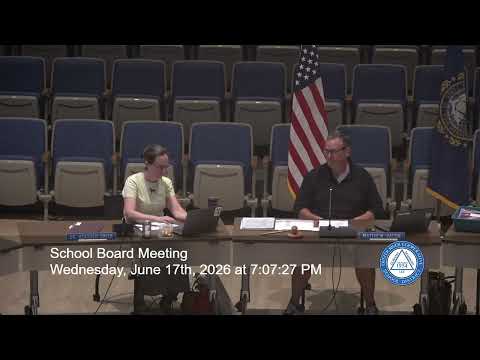
On June 17 the Oyster River Coop School District presented the remaining pillars of its multi-year strategic plan (goals 4–6), emphasizing community partnerships, staff recruitment/retention, and facilities/sustainability.
Goal 4 centers on building meaningful partnerships with families and community organizations to strengthen student learning. Initiatives include a district-wide communications audit to boost engagement, a "how‑to" guide and resource inventory for community partnerships (K–12), and an investigation into an expanded universal pre‑K model with strategic partners (child-care centers, universities, community organizations) to increase equitable early-learning access.
Goal 5 focuses on workforce strategies: identifying recruitment approaches to increase hiring of diverse staff, expanding professional-growth opportunities and credentialing, and establishing workplace-satisfaction surveys by location and job category to guide retention strategies and leadership development pathways.
Goal 6 addresses learning environments and environmental stewardship. Measurable actions include a comprehensive data-informed facilities capital plan on a 15-year cycle, establishing a standing building committee, curriculum audits to embed sustainability, and design guidance for safe, adaptable, and environmentally responsible learning spaces. Staff tied these facility and sustainability proposals to the district’s vision of preparing students for 21st-century learning and operational fiscal responsibility.
Presenters said public forums, an online survey and a formal document will be released in the fall to collect community input; some initiatives will require multi-year work and standing committees to implement measurable outcomes and progress monitoring.
What’s next: Staff will prepare public-facing documents and an online survey for fall outreach and reconvene committees to convert initiatives into implementation plans.