Get Full Government Meeting Transcripts, Videos, & Alerts Forever!
Get email alerts on the Curriculum Video Debate topic
No spam. Unsubscribe anytime.
Marion school board to review fetal-development videos after sharply split public comments
Summary
After a night of heated public comment both for and against 'baby Olivia/Oliver' fetal-development videos, the Marion County School Board asked the superintendent to place a work-session item to publicly review the videos and related state approval procedures.
Public comments for and against adding commercially produced fetal-development videos to Marion County classrooms dominated the school board meeting on June 9, as parents and community groups urged the board either to adopt the materials or to reject them.
Deborah Daniels, a retired teacher and grandmother, told the board the videos are politically motivated and medically discredited and urged the district not to include them in curriculum supplements. "Live Action and the group behind the baby Oliver videos…must not be allowed to spread their indoctrination in our schools," Daniels said during the public-comment portion.
Other members of the public urged the opposite. Amber Ponudo told the board that several states and some Florida districts have adopted similar videos after receiving state approval and encouraged Marion to request Department of Education approval or place the item on the district agenda. "This is science," Ponudo said, arguing the videos document fetal development stages and can be taught as supplemental material.
Andrea Thorne said she had submitted materials to the superintendent and criticized the district’s initial written reply declining to move forward, calling that response "not accurate" and urging the board to consider the resources. Multiple other speakers, including nurses, pastors and educators, made largely pro-adoption appeals citing medical accuracy and moral arguments.
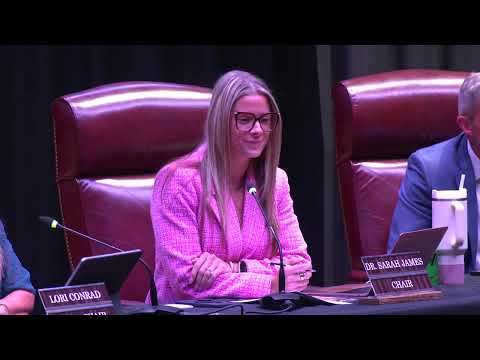
Board members said they heard strong views on both sides and agreed it would be appropriate to have a fuller public discussion. Chair James and several members asked the superintendent’s office to place a work-session item so trustees and the community can review the video and related materials in advance and discuss whether to ask the state Department of Education for approval. The board did not take an immediate policy vote; members repeatedly noted that any decision about adding the video as classroom material would require district staff review and—if necessary—DOE approval or a superintendent-directed process.
The board also discussed procedural safeguards: several members said they would expect an opt-in/opt-out option for families if the board moved toward classroom use and that any future workshop should present the video and supporting materials to trustees before asking for policy direction.
The superintendent's prior written reply (read into the record by an attendee) said the district was not currently moving forward with additional curriculum beyond approved standards; proponents disputed that interpretation and asked the board to reconsider.
The board scheduled the topic for a future public work session so board members can view the material and hear staff analysis before any formal action.