Get Full Government Meeting Transcripts, Videos, & Alerts Forever!
Get email alerts on the Volunteer Fire Department topic
No spam. Unsubscribe anytime.
Eldridge council presses for documents and options as volunteer fire company signals strain
Summary
Council members and city staff spent the bulk of the meeting pressing for records and legal clarity after the Eldridge Volunteer Fire Company signaled severe staffing pressures and proposed a turnkey transfer of operations; staff said they recently received 2025 financials and FEMA SAFER grant materials and will pursue follow-up with the county and the company’s attorney.
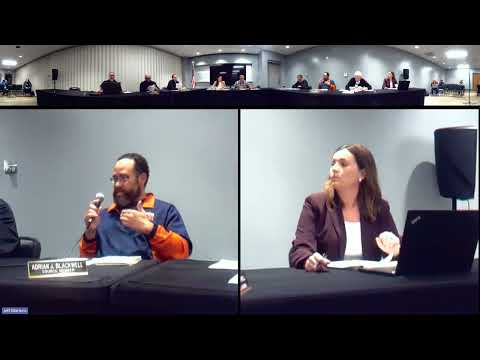
Eldridge City Council on Monday spent its longest discussion of the evening reviewing information about the Eldridge Volunteer Fire Company and whether the city should accept the department’s assets and operations.
City attorney Allison Wright told the council she and staff have been assembling decades of records and said some key documents — including excerpts of meeting minutes that reference a benefited fire district dating to the 1960s — have only recently been recovered. "We have continued to be in constant conversations with county and with the volunteer fire company," Wright said, and she noted she was still awaiting some records the county is searching for.
Wright said the volunteer company has presented the option of a "turnkey" transfer — handing assets and operations to the city so the department could become a paid, municipal operation — but stressed that the city must understand operations, staffing, and finances before taking that step. She noted the volunteer group has received a FEMA SAFER grant that had funded what was reported as a $50,000 grant‑administrator position in 2024, and the city is seeking clarity about whether that position has since been reduced to roughly 20–25 hours per week and whether FEMA rules would allow the same funding to be used under a different operating structure. "They have committed that they have no intentions of ceasing operations while these conversations continue," Wright said.
Council members emphasized both the urgency and the complexity of the choice. Council member Brian (as recorded in the meeting) stressed the council’s duty to provide fire protection: "We have a responsibility as a council to provide fire protection for our residents. Period." Other council members said they want a clear, data‑driven recommendation from staff and counsel rather than immediate political decisions.
Staff and some council members suggested a hybrid model may be the only affordable long‑term option. Council discussion noted that a fully paid professional department would likely be unaffordable for the city, and described a hybrid approach with a paid chief or paid critical staffing supplemented by volunteers as a possible compromise. Staff also flagged the capital costs that would follow a takeover: a new pumper can cost around $800,000 and a facility could run into the millions.
Council members and staff said they have been making repeated information requests to the volunteer company; staff reported recent receipt of financial statements through 2025 and FEMA‑grant documentation but said other requested items remain outstanding. Several members urged that communications be routed through the volunteer company’s attorney and the city attorney to avoid ethical and legal problems that can arise when represented parties are contacted directly.
Next steps recorded at the meeting included county staff and city staff continuing to compile and review records, a request that the county be allowed time to assemble its documents, and an agreement that city staff would return recommendations and a checklist of “boxes” to be satisfied before the council would consider accepting assets. Council members asked for regular updates and to revisit the issue at future meetings; staff asked for time to analyze the new materials and to set a timeline for a committee‑of‑the‑whole or joint public meeting once a fuller packet and legal recommendations are ready.
The council did not take a vote to accept assets or create a municipal department; rather, it directed staff and counsel to continue document collection and legal analysis and to report back. "If we need something, we're not getting it — let's use the means possible," one council member said, urging continued follow‑up.