Get Full Government Meeting Transcripts, Videos, & Alerts Forever!
Get email alerts on the Community Control topic
No spam. Unsubscribe anytime.
Rep. Roger Williams warns communities could 'lose our country,' cites concerns about Sharia law
Summary
Rep. Roger Williams, chair of the House Small Business Committee, told an interviewer that communities risk losing control if residents do not engage, warning that some areas have adopted practices he described as "Sharia law" and urging civic action; these are assertions made on air and are not independently verified in the interview.
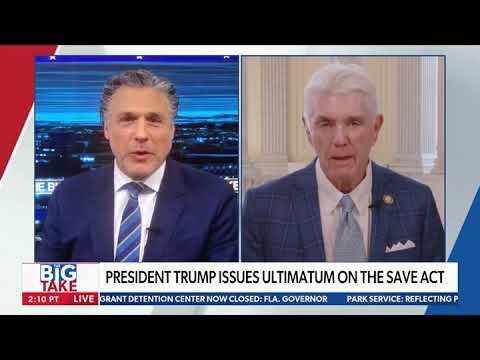
Rep. Roger Williams, Texas congressman and chairman of the House Small Business Committee, said communities risk losing "our country" if residents do not get involved, arguing in an interview that some areas have "turned into communities we never thought we'd see before with Sharia law."
The comments came after the host described the New York primary as "a tidal wave of Islamists and terrorist apologists openly calling for socialism," then asked Williams whether communities were "losing control." Williams answered that ‘‘we lose control of our communities if people don't get involved’’ and warned that ignoring constitutional norms could lead to broader harms. He added, "We got to stand up when we need to be heard. And if we don't, we could very well lose lose our country, quite simply."
Williams framed the issue as one of civic engagement and adherence to constitutional law, saying Speaker Johnson "said it right" and urging citizens to oppose what he characterized as socialism and Marxism. He also said, "When you have competition the consumer ends up being the beneficiary of lower prices and opportunities to buy things," connecting his view of civic involvement to economic opportunity.
The interview transcript contains no direct challenge, fact check, or on‑record rebuttal to the assertions about the extent of "Sharia law" or the characterization of the New York primary; those points remain assertions made during the interview and are not independently verified here.
The interview concluded without any formal policy action or votes on these statements.