Get Full Government Meeting Transcripts, Videos, & Alerts Forever!
Get email alerts on the Sudan Conflict topic
No spam. Unsubscribe anytime.
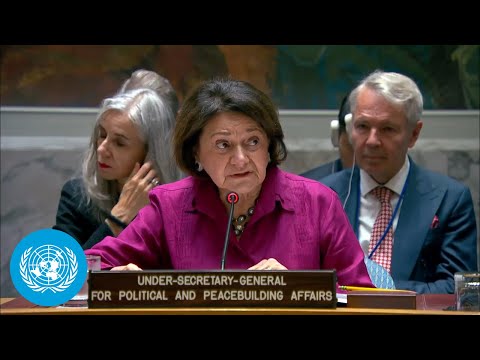
U.N. briefing warns fighting around Elabade could imperil hundreds of thousands and deepen regional instability
Summary
A United Nations briefing warned that intensified fighting and rising drone strikes around Elabade in North Cordofan risk displacing hundreds of thousands and narrowing the window for mediation; the presenter urged external actors to stop supplying sophisticated weaponry and backed regional diplomacy and a Quad humanitarian truce.
A United Nations briefing on Sudan warned that intensified fighting around Elabade in North Cordofan and a surge in drone strikes across multiple fronts are placing hundreds of thousands of civilians at immediate risk and threatening to deepen regional instability.
“The window to avert a wider escalation in Alabade is rapidly narrowing,” the presenter told the council, saying drone strikes by both parties have increased significantly and that an escalation would likely trigger new waves of displacement toward already overstretched areas.
The presenter cited warnings from the Secretary-General and the Office of the High Commissioner for Human Rights, describing the prospect of a “human rights disaster” if the offensive is not halted. He said the growing use of drones has made the conflict more geographically dispersed and more lethal for civilians and warned there may be no respite even during the rainy season.
The briefing listed intensified fighting in the wider Cordofan region — including Dilling, Kadugi and El Baba Nusa — and continuing clashes in White Nile and Blue Nile states (Kermuk, Gethesson and Bao localities). It said drone strikes on bridges and transport corridors have damaged humanitarian routes and complicated relief efforts to isolated communities.
The presenter also said the parties could not sustain this pace of fighting without sophisticated weaponry obtained through external support and renewed an urgent call on outside actors to “use their influence to help end this war rather than be complicit in it.”
On diplomacy and next steps, the presenter endorsed the Quad’s initiative to seek a humanitarian truce and stressed that parties want a clear “road map for what happens the day after they agree to lay down their weapons.” He described ongoing work by a grouping of international and regional actors — identified in the briefing as the quintet, the African Union, the European Union, the Intergovernmental Authority on Development, the League of Arab States and the United Nations — and said early June consultations in Addis Ababa reflected broad Sudanese views that favor a Sudan-owned political dialogue.
The briefing noted that the personal envoy has been traveling in the region and meeting conflict parties and other actors to pursue concrete measures to de-escalate violence; according to the presenter, both parties have affirmed an openness to continue discussions in the coming weeks. The presenter welcomed a recent council press statement on the situation and urged the council to do more, saying the council’s unity and actions matter.
The presenter closed by reiterating the United Nations’ readiness to work with the council and other partners to pursue a ceasefire and a sustainable political solution. The briefing did not announce any formal decision or vote by the council.