Get Full Government Meeting Transcripts, Videos, & Alerts Forever!
Get email alerts on the Municipal Operations topic
No spam. Unsubscribe anytime.
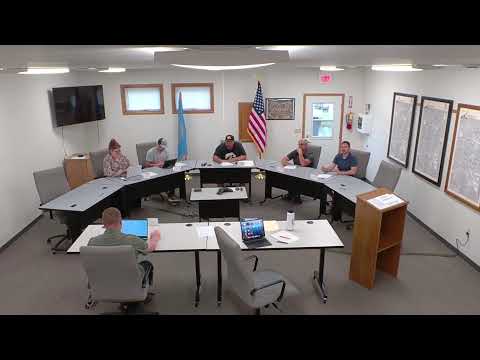
Lennox reports rising building permits; staff outlines code enforcement steps for tall grass and habitual violators
Summary
City staff said building permit activity has climbed (96 permits reported last week, likely exceeding 100 with current week) and outlined enforcement steps for recurring issues—courtesy notices, door tags, fines, city abatement—and use of a habitual violators ordinance after two notices in 24 months.
City staff reported a rise in building permit activity and outlined recent code enforcement work during the meeting.
Kyle gave a construction update, saying, “As of last week, we're up to 96 new permits. Uh we're probably over 100 now with this week.” He said work included roofs, sheds, fences, decks, sidings and additional twin homes and single‑family homes, with townhomes and apartments appearing in more recent filings.
On code enforcement, staff said recurring complaints remain primarily tall grass and weeds, parking on grass, rubbish and tree branches over streets. Staff described the typical enforcement sequence: a door tag or courtesy notice, then a courtesy letter if there is no response, followed by fines and city abatement if the property is not brought into compliance. "If I put a door tag and they don't respond, then I'll send them a courtesy letter and I've been getting a lot of non‑compliance. So then that my next step after that is fining," staff said.
Staff also described a habitual violators list to track repeat offenders: properties that receive two notices to obey within a 24‑month period can be designated for more persistent enforcement. Staff said the list has been applied primarily to the same few problem properties the city sees each year.
The transcript does not specify revenue or fine amounts, individual property identities, or enforcement outcomes; staff indicated timelines (typically a seven‑day window after notice) and procedural steps but did not provide a comprehensive enforcement log.