Get Full Government Meeting Transcripts, Videos, & Alerts Forever!
Get email alerts on the Jail Sexual Assault topic
No spam. Unsubscribe anytime.
Commissioners renew urgent calls for accountability after repeated sexual‑assault reports at county jails
Summary
Civilian Oversight commissioners described months of reports that deputies watched women shower and alleged sexual assaults at Century Regional Detention Facility and other jails, called for the district attorney and PREA coordinator to brief the commission, and said they have seen inadequate investigative follow‑up and victim support.
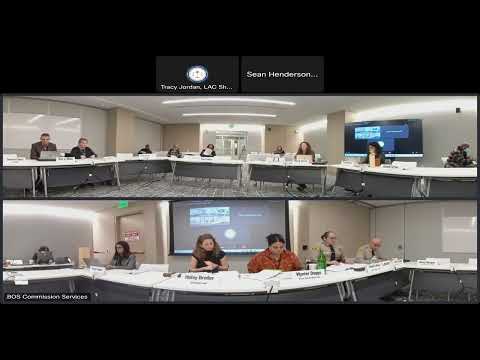
Chairperson Haley Broer and several commissioners told the Civilian Oversight Commission on Jan. 8 that they have received repeated, graphic allegations from incarcerated people about deputies watching women shower and sexually assaulting people at Century Regional Detention Facility and other county jails.
Broer said the commission has been raising cross‑gender shower‑viewing concerns “for over six months,” and that women at CRDF had reported “really, really horrific and graphic stories of sexual assault and rape and forced oral sex by deputies,” along with reports of deputies gathering in a location referred to by incarcerated people as the “cop shop” to view showers. Other commissioners described retaliation against people who reported abuse and procedures that discourage reporting.
The allegations, commissioners said, include multiple named deputies and patterns across facilities. “This is not a problem with one deputy. It’s multiple deputies,” Commissioner Batia said, arguing that victims are left vulnerable because reporting can lead to retaliation and little visible follow‑up.
Commissioners said they have repeatedly filed inspection reports and PR E A‑style complaints but have seen no evidence of consistent referrals to prosecutors. “We are hearing that there were zero cases referred by deputies to the DA’s office,” a commissioner said; the panel asked staff to forward recent inspection reports and to invite the Los Angeles County District Attorney to the commission’s next meeting.
Commander Montoya, representing the Sheriff’s Department, said the department maintains a “zero tolerance policy towards any form of sexual abuse or harassment within all of our facilities” and that preliminary investigations and immediate safety steps — such as relocating at‑risk individuals — are taken when allegations arise. He declined to provide counts of referrals or investigative details, saying a class‑action lawsuit is pending and limits what the department can discuss publicly.
The commission voted to request that the district attorney attend a future meeting and asked that the Sheriff’s Department bring the PREA (Prison Rape Elimination Act) coordinator and the assistant director of PRIA/PRIA‑compliance (as referenced in the meeting) to explain investigation, referral and victim‑support processes. Commissioners said they also want a clearer explanation of what “zero tolerance” means in practice and what immediate services — including trauma‑informed medical and mental‑health care — are provided to people who report sexual assault.
The commission also asked staff to ensure recent inspection reports (including May, August, September, October and November) are provided to the district attorney. Commissioners said the reports, together with survivors’ accounts, point to systemic problems that they said require prosecutorial attention and improved internal response, victim services and protections against retaliation.
The commission did not reach a formal finding on specific individual cases at the meeting; Sheriff’s Department representatives said that criminal investigative referrals and some internal actions are restricted from public disclosure because of pending litigation. The commission said it will pursue follow‑up testimony from the DA’s office, the sheriff’s PREA coordinator, and the sheriff’s PRIA/PRIA compliance leadership at an upcoming meeting.