Get Full Government Meeting Transcripts, Videos, & Alerts Forever!
Get email alerts on the Workplace Conduct topic
No spam. Unsubscribe anytime.
City staff brief council on harassment risks and legal duties
Summary
Jeffrey Ross, the city’s director of human resources, told councilmembers that federal and state laws apply to councilmembers as agents of the city, cited EEOC and Texas data on harassment and retaliation, and urged prompt reporting and documentation to avoid individual and municipal liability.
Jeffrey Ross, director of human resources for Farmers Branch, told the council during orientation that elected officials should regard themselves as agents of the city under employment and civil-rights laws and take prompt action on harassment or discriminatory conduct.
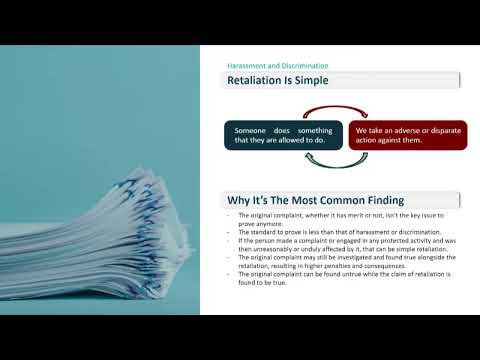
Ross cited recent enforcement statistics and workplace patterns to explain the legal stakes. "There were 88,201 claims of discrimination, harassment, retaliation… made to the EEOC," he said, adding that studies show "85% of people who experience this sort of thing… never file a formal charge" and that retaliation is the most common finding. He described the two primary forms of unlawful workplace misconduct—quid pro quo and hostile work environment—and walked through protected classes under Title VII and applicable laws including the Americans with Disabilities Act and relevant Texas statutes.
Ross emphasized prevention and reporting: where possible, tell the person to stop and document the interaction; if the conduct involves city employees, report to the city manager by official city email so there is a record. He warned councilmembers that under Texas law an agent who knew or should have known about illegal employment actions and failed to take appropriate action can face personal liability separate from the city.
Councilmembers thanked Ross and posed a few follow-up questions; no formal action followed the training segment.