Get Full Government Meeting Transcripts, Videos, & Alerts Forever!
Get email alerts on the Zoning topic
No spam. Unsubscribe anytime.
Robeson supervisors continue data‑center zoning debate as residents raise water and noise concerns
Summary
Residents pressed the board over proposed data‑center uses, citing groundwater, noise and siting in residential areas; planning staff and the solicitor said further engineering and legal review are needed and estimated a two‑month timeline before advertising a draft ordinance that would limit data centers to industrial zones.
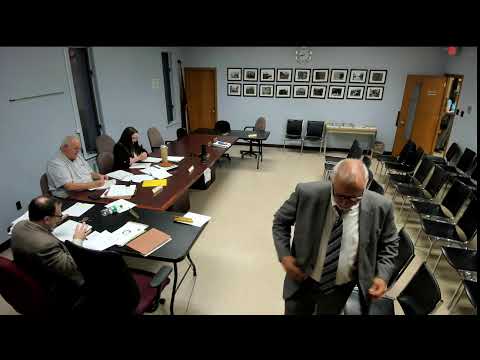
Robeson Township’s discussion about data centers resumed June 18 as residents and Environmental Advisory Council members urged stricter controls and planners outlined next steps for a draft ordinance that would restrict data centers to industrial zones.
Multiple residents said potential data centers raise environmental and quality‑of‑life concerns. Michael Nolch, a nearby resident, said a hypothetical data center next to his property would threaten his livestock water supply and that neighbors had refused to sell land that developers had offered to buy. “I use water for all my livestock… I can understand if I was at home and my well went dry,” he said.
Environmental and technical concerns dominated the exchange. EAC and resident speakers raised questions about decibel limits, local groundwater and whether the township’s proposed decibel standards were technically feasible; one planner noted the township’s current zoning standard and said the draft ordinance had proposed different, sometimes lower, sound limits. Planning staff told the board they had reviewed many model ordinances from other Pennsylvania municipalities and would ask the township solicitor and engineer to examine setbacks, noise thresholds and the possibility of allowing data centers only in industrial zoning districts.
Planning staff and the solicitor recommended taking additional time for legal and engineering review before finalizing the ordinance. The solicitor said best practice would be a month or two of follow‑up — to revise the draft, return it to planning for a final recommendation and then authorize advertising — and estimated “another two months” before the ordinance would be ready to advertise for public comment.
Board members stressed that any ordinance changes would not permit a data center in a residential district and emphasized the distinction between reviewing a zoning amendment and approving an application on a particular parcel. “Any movement on the draft ordinance still does not permit a data center on this Grande property,” a supervisor said, clarifying the proposal would limit siting to industrial zones if enacted.
The discussion did not produce a vote; the board asked staff and the solicitor to continue technical and legal review and to provide revisions ahead of future planning and board consideration.