Get Full Government Meeting Transcripts, Videos, & Alerts Forever!
Get email alerts on the Operations Facility topic
No spam. Unsubscribe anytime.
Martin County to use public‑private partnership for new hardened operations facility, official says
Summary
Martin County officials described a 30‑acre, P3‑delivered operations campus — with space for 160 staff, heavy‑equipment storage, maintenance shops and a fuel depot — that county staff say will be built under an 18‑month guaranteed‑maximum‑price contract and hardened to 180 mph.
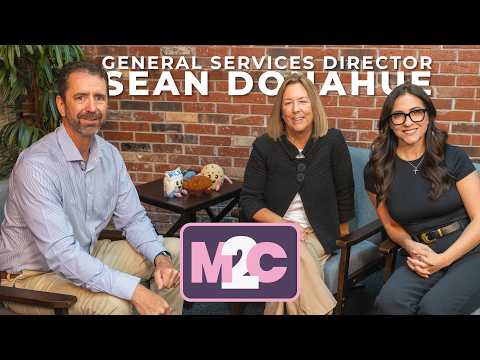
Martin County plans to replace an aging, storm‑vulnerable public works campus with a new operations facility delivered through a public‑private partnership (P3), the county’s general services director said in a podcast summary of a recent county board meeting.
“It's an 18‑month design and construction period,” Sean Donahghue, the county’s general services director, said of the P3 contract, adding that work “started mid this year, mid 26” and is expected to finish by the end of 2027. He told hosts the P3 arrangement includes a guaranteed maximum price intended to limit change orders and shorten delivery time compared with an in‑house build.
The county described the campus as roughly 30 acres west of I‑95 near Caner Highway/Wateride Way. Donahghue said it will house maintenance shops for light and heavy vehicles, storage for specialty equipment (including mosquito‑control facilities), a fuel depot, soil and material storage, wash pits and space for traffic operations that monitor signals and cameras.
Donahghue said about 160 employees will report to the new facility and that the design will include structural hardening “to stand up to 180 mph winds,” intended to protect equipment and allow staff to continue storm response operations.
Hosts and Donahghue framed the P3 model as a time‑and‑cost saving measure: the private partner commits to a schedule and price, which the hosts characterized as allowing the county to accelerate the project and avoid inflationary cost increases that could result from a longer in‑house program. Donahghue said the P3 contractor has contract language to deliver the project within the stated 18‑month timeframe.
Why it matters: County leaders said the existing operations site has experienced storm damage in the past and that consolidating and hardening facilities would improve post‑storm response and protect costly equipment. The P3 approach is presented as a way to accelerate the project and limit budget uncertainty.
What’s next: The hosts said construction is underway under the P3 contract and that the county plans outreach and tours once substantial completion approaches. No formal board vote or final contractual language was reported in the podcast transcript provided; details about procurement approvals and any board actions were not specified.