Get Full Government Meeting Transcripts, Videos, & Alerts Forever!
Get email alerts on the Rental Assistance Prevention topic
No spam. Unsubscribe anytime.
Vista'funded VHAP helped 32 households avoid homelessness; mayor presses for more transparency
Summary
Interfaith Community Services told the committee VHAP Category 2 provided emergency rental assistance to 32 households (103 residents) in the quarter, helping them avoid shelter entry. The mayor questioned long‑term sustainability and asked staff and providers for anonymized narratives to evaluate whether assistance prevents recurrent crises.
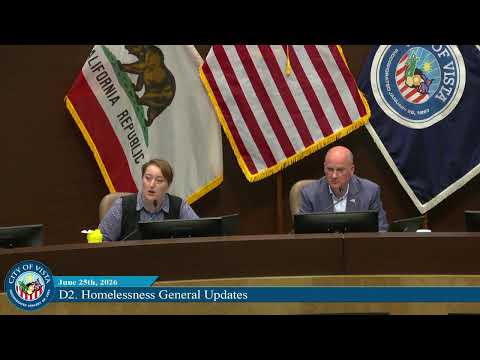
Interfaith Community Services presented the quarter‑to‑date results for Vista's Emergency Housing Assistance Program (VHAP Category 2), and council members debated transparency and program durability.
Gary Kite of Interfaith said the program provided roughly $11,000 in January, $15,000 in February and nearly $21,000 in March, and that cumulative quarterly assistance prevented 32 households (50 adults and 53 children; 103 residents) from becoming homeless. He described program eligibility and documentation requirements: a three‑ or 14‑day eviction or loss notice, invoices or evidence of the emergency expense, three months of bank statements, a rent ledger and a signed rental‑assistance agreement with the landlord and a required case‑management plan including budgeting and a self‑sufficiency matrix.
The mayor questioned whether VHAP's one‑time assistance (up to $5,000 per household) displaces future need—asking whether recipients become re‑enrolled when another crisis arises—and urged the city to provide anonymized client narratives so elected officials can assess whether the assistance prevents a chronic recurrence or merely delays homelessness. Interfaith said not all applicants get $5,000; awards and case management vary by need and that case managers explore alternatives (other programs) and require actions such as landlord agreements and financial planning.
Other council members and staff defended VHAP as a targeted emergency prevention tool; staff said the program includes steps intended to reduce recurrence and that Interfaith will provide narrative summaries that omit personal identifying data when possible. No policy change was adopted at the meeting.