Get Full Government Meeting Transcripts, Videos, & Alerts Forever!
Get email alerts on the Cannabis Regulation topic
No spam. Unsubscribe anytime.
Pine City council presses county, staff to clarify rules after low‑potency hemp licensing shift
Summary
City staff briefed the council on state licensing changes for low‑potency hemp edibles and reported businesses that sold without current reauthorization; councilors agreed to raise enforcement and youth‑access concerns with Pine County at a April 7 meeting and asked staff to draft possible local ordinance language if needed.
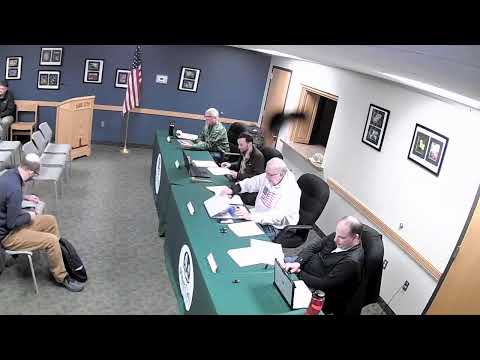
City staff briefed the Pine City Council on April 6 about a sudden shift in state licensing for low‑potency hemp edibles (LPHE), saying the Office of Cannabis Management’s new reapplication cycle left some local sellers without a valid license and raised questions about who will enforce sales rules locally.
Tabitha (city staff) told the council that the OCM required businesses that wanted to continue selling LPHE to reapply by Oct. 31, 2025; many applicants were delayed by follow‑up requests and by emails going to junk folders. Staff reported that several local sellers have pulled product voluntarily, some did not reapply, and at least one business continued to sell without a current OCM authorization as of the meeting date. Staff said OCM guidance requires licensees to be 21 or older to sell and to buy LPHE products, a change intended to reduce youth access.
Council members pressed staff on enforcement responsibilities. Several members said the county and OCM should handle product compliance and testing, while others argued that Pine City should craft a local enforcement ordinance if county enforcement proves insufficient. One councilor noted that the county’s licensing meeting is scheduled for April 7, 2026, and urged staff to attend and request consistent local provisions such as restricted retail locations, minimum distances from parks/schools, and clear compliance checks.
Council also discussed how LPHE packaging and merchandising might make youth access easier than with regulated alcohol—citing instances in other towns where single‑serving products were displayed in general‑retail areas—and raised concerns about staffing and the practical burden of enforcing compliance at small retailers.
Action and next steps: council members agreed to have staff attend the county meeting on April 7 to present local concerns and to return to the council with recommended ordinance language or a policy pointer that would align city practice with county and state rules. No local ordinance was adopted at the April 6 meeting.
Community context: city staff noted Pine City previously restricted certain malt beverages in retail outlets in 2006 to reduce youth access; council members said they want to avoid a repeat pattern and asked staff to consult the League of Minnesota and neighboring jurisdictions for language and enforcement models.
What’s next: staff will report back after the April 7 county meeting and bring draft options for council consideration if county enforcement remains uncertain.