Get Full Government Meeting Transcripts, Videos, & Alerts Forever!
Get email alerts on the Housing topic
No spam. Unsubscribe anytime.
New Richland council accepts first reading of migrant worker 'bunk house' ordinance; public hearing set for May 11
Summary
The council accepted the first reading of Ordinance 26-03, establishing licensing, inspection and zoning standards for bunk house housing for migrant agricultural workers, and set a public hearing for May 11. The ordinance ties local licensing to federal MSPA and state rules and includes penalties for violations.
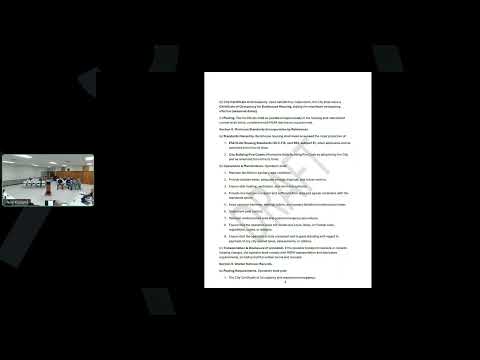
New Richland — At its April 13, 2026 meeting, the New Richland City Council accepted the first reading of Ordinance 26-03, titled the "migrant worker bunk house housing ordinance," and set a public hearing for Monday, May 11 at 6:35 p.m.
The ordinance — read in full at the meeting by the city attorney — would allow bunk-house-style housing for migrant agricultural workers as a conditional use in agricultural, residential and specified commercial districts when tied to lawful agricultural operations. The text requires operators to obtain an annual city bunk-house license, file a site and floor plan, document expected occupancy (including H-2A and non-H-2A workers), provide fire and life-safety documentation, demonstrate water and sewage compliance, and maintain three years of inspection and occupancy records.
The measure explicitly references federal and state standards. "The purpose of this ordinance is to allow and regulate bunk house housing used to accommodate migrant agricultural workers within the city to safeguard health and safety and to ensure compliance with applicable federal and state standards including the Migrant and Seasonal Agricultural Worker Protection Act," the reading said. The ordinance incorporates MSPA housing requirements and Minnesota migrant labor camp rules and requires preoccupancy inspections consistent with MSPA and applicable OSHA/ETA standards.
Under the draft, operators must post a city-issued certificate of occupancy listing maximum occupancy and seasonal dates, and provide workers with notices of rights and complaint procedures. The ordinance also sets operational standards (one bed per occupant, kitchen and sanitation upkeep, pest control, unobstructed exits) and authorizes the city to deny, suspend or revoke licenses for noncompliance following notice and hearing.
Penalties spelled out in the draft include administrative citations, civil penalties and misdemeanor prosecution "as allowed by city code and state law," with the reading citing fines up to $1,000 and a possible jail term of up to 90 days per day of violation. The ordinance includes a 10-day window to appeal a license action to the city council; council members discussed adding a provision requiring the council to issue a written decision within 30 days after a hearing.
Councilmembers asked staff to provide clarifying language and fee recommendations ahead of the public hearing. At the meeting, members noted questions about who will be the license operator versus building owner and discussed whether to set license fees per unit or per bunk house; the draft leaves the fee schedule to the city's existing schedule.
A council member moved to accept the first reading and set the May 11 public hearing; the motion was seconded and the council indicated approval. City staff were directed to incorporate the discussed clarifications for the hearing.
The council did not adopt final ordinance language at the meeting; the public hearing will be the next opportunity for comment and additional revision.
What happens next: The council will hold a public hearing May 11, 2026, when members will hear public testimony and consider revisions before scheduling further readings or final action.