Get Full Government Meeting Transcripts, Videos, & Alerts Forever!
Get email alerts on the Streets Resurfacing topic
No spam. Unsubscribe anytime.
Council committees clear a batch of special‑assessment ordinances for delayed resurfacing projects
Summary
The Public Service committee approved consent recommendations for multiple ordinances to levy special assessments for resurfacing programs (2022–2025). Delays were attributed to utility conflicts and ARPA‑funded lead‑service work; property owners will receive invoices and may finance assessments via tax installments.
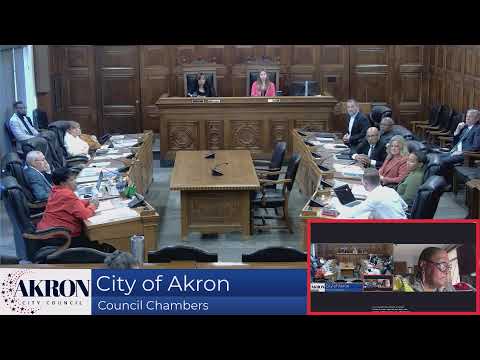
The Public Service, Public Utilities and Green Committee advanced a series of ordinances authorizing special assessments for several residential, arterial and unimproved‑street resurfacing programs across multiple years. Service Director Chris Leutle told the committee most projects were delayed because of utility conflicts and the use of federal ARPA funds and lead‑service replacement projects that pushed resurfacing into later calendar years.
Leutle explained the notification and assessment process: property owners receive an initial notice before the work and later an invoice reflecting actual front‑footage calculations; after the final invoice property owners may pay directly or place the assessment on the tax roll payable over up to five years. He said homestead‑eligible households (a county designation) are excluded from assessments. When property owners object after notification, the city holds a hearing for appeals.
Council members asked about the length of delay between notice and invoice; staff said notices were issued when projects were planned and that some projects completed in 2024 because of utility work being deferred but are only now ready for final invoicing. The committee placed items 8–16 (2022–2025 programs covering residential, arterial and unimproved streets) on the consent calendar; each item passed through the committee by voice vote.
The ordinances cover multiple resurfacing and treatment programs (asphaltic concrete resurfacing and surface‑treatment programs) and will send invoices to affected property owners as required by the assessment rules.