Get Full Government Meeting Transcripts, Videos, & Alerts Forever!
Get email alerts on the Bond Surety topic
No spam. Unsubscribe anytime.
Committee recommends higher bonds, stricter notification for utility and pipeline permits
Summary
Members reviewed Section 254 of the ordinances and a staff draft that would raise project bond levels (recommended $250,000) and annual utility bonds (recommended $25,000), call for better pre-construction notification and permit procedures, and forward a cleaned draft to ordinance committee and council review.
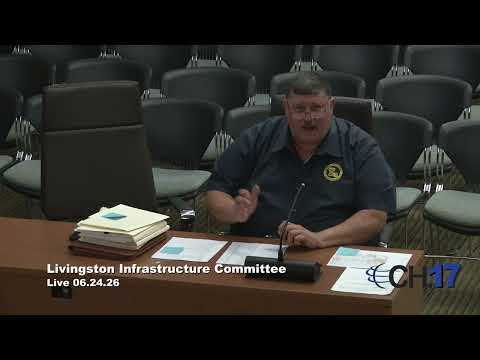
A presenter reviewed Section 254 of the parish code (bond surety for roads and drainage) and recommended updating outdated bond figures and strengthening permit and notification requirements for utilities and pipeline work.
"I would like to... raise that up to get it really more realistically," the presenter said, recommending a project bond of $250,000 for pipelines and utilities and an annual bond for private utility companies of $25,000. The presenter told the committee that the current figures—some dating to 1983—do not reflect realistic repair costs when contractors leave work incomplete.
Why it matters: Committee members said low bonds and weak notification have allowed contractors to leave inadequate repairs that cost the parish more than the bond. One member described past projects where calling a $150,000 bond left the parish unable to fully fix defects that cost much more. Raising bond amounts would increase contractor financial responsibility and the parish’s ability to remediate failures.
Permitting and notification: The draft also proposes clearer notification and pre-construction meeting requirements for pipelines and utility work (for example, requiring earlier and clearer notice than the present 10-day, six-copy submission practice). Presenters proposed building a permit-tracking database and having preliminary coordination meetings for utility work similar to development pre-construction meetings.
Next steps: The committee asked staff to refine the draft and circulate it to council and legal staff; members suggested sending it to the ordinance committee once the group has a cleaner version. The presenter said he wanted additional eyes on the draft and that staff would bring a revised proposal back to the infrastructure committee for further review before forwarding to ordinance.