Get Full Government Meeting Transcripts, Videos, & Alerts Forever!
Get email alerts on the Municipal Budget topic
No spam. Unsubscribe anytime.
Burlington council adopts FY2027 budget, holds tax rate steady at $15.93
Summary
The Burlington City Council adopted the fiscal year 2027 budget on April 20, 2026, keeping the city tax rate at $15.93 while using some fund balance and transfers to cover a projected shortfall; the budget funds major capital work including sewer separation and a planned fire station phase.
The Burlington City Council on April 20 adopted the fiscal year 2027 budget, preserving the city’s levy rate at $15.93 and approving spending plans that rely on transfers and some fund balance to bridge a gap between revenues and expenditures.
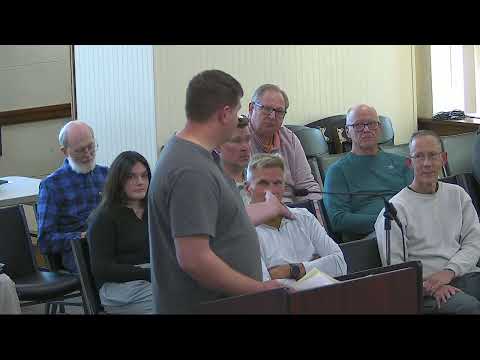
Finance presenter Stephanie Stueckrath reviewed the budget during a public hearing, telling the council that a home with an assessed valuation of about $100,000 would face approximately $710 in city taxes and that “we are proposing no increase” in the tax rate while the assessed valuation rose, producing higher collections. She said the city projects total revenues of about $97.8 million and budgeted expenses of roughly $104.1 million across funds and that the general‑fund ending balance is forecast at about $5 million (19% of the fund), requiring use of reserves and transfers to balance the budget.
The budget package funds a number of capital projects singled out in the presentation: sewer separation work (listed as the largest capital item), $5 million associated with a fire station project, streets and flood‑protection work, and other capital improvements. Stueckrath also outlined enterprise fund changes: a proposed 4% increase to sewer rates and a 45‑cent monthly increase for solid waste service. She explained that about 46% of the typical city tax allocation goes to public safety (fire and police).
Council members asked questions during the hearing and raised concerns about road maintenance funding in near years. One council member pointed out that, for the first time in about 15 years, no money was programmed for seal coating or street resurfacing in the immediate budget years, noting that falling behind on routine sealing can require several years of catch‑up work. Another council member criticized the long‑term sewer separation investment, saying the projects represented large spending (an estimated $45 million in sewer work over five years) and calling the effort “flushing money down the toilet” as an opinion about the program’s value; that comment was recorded as discussion during the hearing and not a formal finding.
After public comment closed, the council moved to adopt the budget. The resolution adopting the fiscal year 2027 budget passed by recorded unanimous vote: Weiss, Wilson, Phillips, Kreitzer and Scott voting in the affirmative.
Next steps: the adopted budget takes effect July 1, 2026. The council and staff will proceed with the capital projects and rate adjustments outlined in the approved budget.