Get Full Government Meeting Transcripts, Videos, & Alerts Forever!
Get email alerts on the Fairgrounds Communication topic
No spam. Unsubscribe anytime.
Ripley County 4-H member urges action after fairgrounds communication breakdown with park board
Summary
A youthful 4-H leader told county commissioners the park board’s decisions and poor notice are forcing volunteers to shoulder unsafe maintenance, urging written agreements, clearer communications and repairs to keep the fairgrounds usable for youth programs.
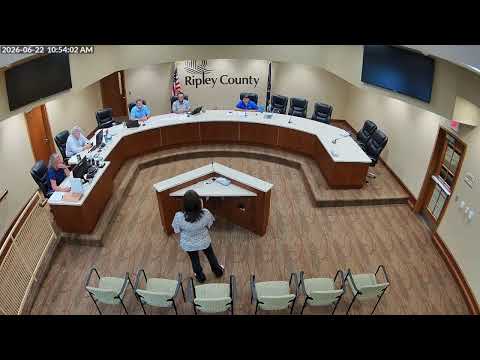
Macy Young, a 10-year Ripley County 4-H member, told the county commissioners at their June 22 meeting that ongoing breakdowns in communication between the park board and 4-H/fairboard volunteers are producing unsafe conditions and volunteer burnout. Young said the horse stalls were taken down despite a vote by horse-and-pony members to keep them in place and that 4-H leaders were later billed $900 for the teardown.
Young told the commissioners she and other volunteers have repeatedly been asked to move and rebuild stalls on short notice, sometimes during students’ school finals, and described locked bathrooms that left young children with no access during events. “I want the fairgrounds to be open for the public. I want it to be a safe spot,” Young said, and asked the commissioners to push the park board for better, respectful face-to-face communication and written expectations.
Commissioners said the county owns but does not operate the park; the park board and a separate fairboard manage day-to-day operations and event leasing. Commissioner remarks noted the county’s funding role and the limitations that places on taking direct operational control. Commissioners encouraged a written agreement or contract clarifying which party is responsible for maintenance, access, cleaning and scheduling and urged all parties to meet publicly to resolve outstanding issues.
The commissioners suggested convening the park board, fair board (including fairboard president Monica Hanson) and extension-office leaders, and recommended that volunteers draft a short, concrete list of expectations the county can forward to the park board. Commissioners also discussed potential budget or staffing adjustments to reduce reliance on volunteers and noted legal and tax implications if operational control were shifted from the park board to the county.
The meeting concluded with commissioners advising the park board to accept reasonable offers and memorialize responsibilities in writing; commissioners warned that if the issues cannot be resolved, they would consider structural changes but preferred a negotiated fix. Young and several other volunteers asked the boards to meet in public so the community could hear and approve any new agreement.