Get Full Government Meeting Transcripts, Videos, & Alerts Forever!
Get email alerts on the Community Health Assessment topic
No spam. Unsubscribe anytime.
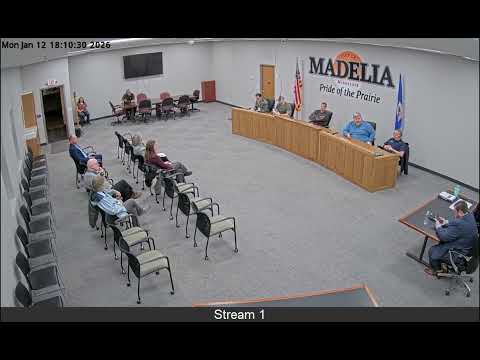
Medelia group kicks off CHNA implementation, explores Community Rides and social-isolation screening
Summary
At a Medelia workshop, community members launched the 2026 implementation phase of the community health needs assessment, discussing transportation barriers, a Community Rides pilot for vetted volunteer drivers, and a proposal to screen Medicare patients for social isolation and connect them to local programs.
Medelia’s community health needs assessment team formally began work on implementing priorities for 2026, and participants spent significant time discussing transportation gaps and programs to reduce social isolation.
The kickoff meeting, presenters said, follows focus groups that identified obesity and nutrition, mental health, elder isolation and community collaboration as top priorities. Celia, who presented the assessment findings, said the CHNA moves to a three-year implementation cycle and that the group will meet quarterly to develop concrete steps.
Why it matters: Residents and providers repeatedly identified transportation as a long-standing barrier to accessing health care and essentials in this rural community. Participants discussed a platform called Community Rides, which pilot programs in other states have used to match vetted drivers with riders for medical appointments and grocery trips.
A member of the focus group described using a self-assessment tool to flag Medicare patients at risk of social isolation, then connecting those patients to local activities. The group suggested recruiting volunteers and tapping underused community spaces — notably Trinity Church, which Pastor Janet Adams recommended because it is accessible and already hosts Wednesday meals — for social events such as game nights.
Speakers stressed logistics and limits: volunteer drivers often lack the capacity to help clients with significant mobility needs, raising liability and insurance questions. Joanna Cave, who spoke about senior-driver limitations, noted volunteers sometimes cannot physically assist clients into vehicles. Presenters said partners and possible grant funds should be researched to support drivers who can safely serve mobility-limited riders.
Funding prospects were raised: a participant cited a federal rural health transformation program and stated Minnesota received $193 million; the speaker suggested Medelia Health might be eligible for an allocation (the specific figure cited in the meeting was about $1.4 million), but presenters said that potential requires further research and formal application.
Next steps: The CHNA subgroup will continue quarterly meetings, research funding and operator partners for a vetted-ride model, and pilot screening for social isolation among clinic Medicare patients.