Get Full Government Meeting Transcripts, Videos, & Alerts Forever!
Get email alerts on the Budget topic
No spam. Unsubscribe anytime.
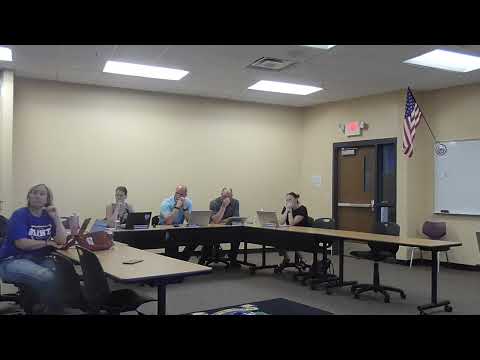
Le Sueur‑Henderson board adopts proposed 2026‑27 budget after review of enrollment, staffing and reserves
Summary
The Le Sueur‑Henderson School District board voted 5–0 June 15 to adopt the proposed 2026‑27 budget, which staff said projects roughly $62,000 in revenues over expenses and carries about $1 million in unassigned fund balance alongside specific program reserves.
The Le Sueur‑Henderson School District board on June 15 adopted the district’s proposed fiscal year 2026‑27 budget following a staff presentation that reviewed federal audit work, fund balances, and enrollment assumptions.
Staff member Kai told the board the district expects about $1 million in unassigned fund balance and roughly $200,000 held in basic skills carryover. ‘‘We should be about a million dollars for our unassigned when it’s all said and done,’’ Kai said, adding the draft shows roughly $62,000 of revenues over expenses for the general fund.
The budget presentation highlighted several drivers: bringing transportation in‑house and financing vehicles, higher officials and travel costs for activities, and an insurance quote that initially lowered property/casualty costs but will rise when new vehicles are added. Kai said the district cut approximately $135,000 in contracted speech services after hiring those staff in‑house and made adjustments to utilities and other non‑salary expenditures.
On staffing and benefits, the board discussed the cost of new obligations for bus drivers and a district impact of about $30,000 tied to changes in Minnesota paid‑leave provisions. The presentation also described modest staffing reductions in the elementary grades and shifts in paraprofessional hours used to offset salary increases.
Special‑education finance was flagged as an area of uncertainty: Kai said tuition billing that districts receive from serving students out‑of‑district can materially reduce special‑education revenue once state data finalizes, noting that those adjustments have run as high as about $500,000 in recent years.
Board members asked about enrollment assumptions for kindergarten, which staff had budgeted at 55 but reported 40 currently registered. Kai noted late registrations historically occur the week before and the week of school and said the district had taken a conservative approach to revenue assumptions.
The proposed budget also reflects a change in how the district treats activity and donation accounts on revenue and expense lines; staff recommended carrying those in fund balance to avoid fluctuation in the operating budget. Capital and lease items were discussed, including an ongoing Avalon camera lease the presenter listed at about $88,711 annually with two years remaining.
Director Ree moved to adopt the proposed FY 2026‑27 budget; Director Hathaway seconded. The motion carried 5–0. Staff noted the board can amend the budget later in the year as negotiations and data evolve.
Next steps: the district will complete the single audit required for federal expenditures above $750,000 and bring any required budget revisions back to the board during the fiscal year.