Get Full Government Meeting Transcripts, Videos, & Alerts Forever!
Get email alerts on the Loyalists Raids Slavery topic
No spam. Unsubscribe anytime.
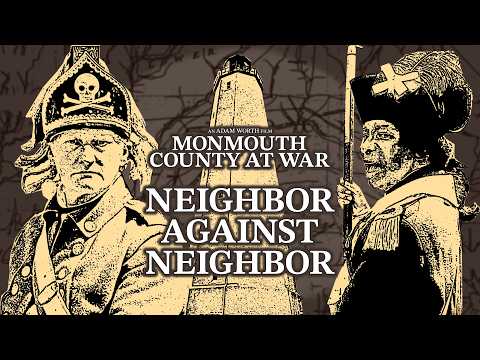
Presenter says Monmouth’s Revolution was a local civil war of raids, loyalists and enslaved fighters
Summary
A recorded lecture details intense local divisions in Monmouth County: widespread loyalist-versus-patriot violence, property confiscations (127 families cited), raids from Sandy Hook, the Black Brigade led by Colonel Tighe, and later preservation concerns.
Presenter (S6) described Monmouth County during the Revolution as an "exceptionally dangerous place," with more than 100 documented skirmishes, widespread property seizures and frequent raids by loyalists and irregular forces. The lecture framed the conflict in Monmouth as a civil war in miniature, with neighbors, families and communities divided by allegiance.
The recorder traced several features of local violence: loyalist refuge and garrisoning at Sandy Hook (called in the lecture a 'Refugee Town'), privateering and coastal trade that sometimes enticed farmers to supply British lines, and pine-robber gangs in the southern part of the old county who exploited lawlessness to raid and steal. The presenter also described extrajudicial confiscations of loyalist property — citing a figure of 127 families who lost possessions — and said laws formalizing some confiscations followed after seizures had already taken place.
The lecture highlighted the story of an enslaved man known in the talk as Colonel Tighe (also referenced as Titus Corliss), who left his owner, joined British lines around Sandy Hook, led the so-called Black Brigade in raids into Monmouth County and became a feared and famous figure. The lecturer recounted the 1778 siege of Joshua Huddy’s tavern in Colts Neck, Huddy’s escape and later capture and hanging by Associated Loyalists — an episode the presenter said inflamed local tensions.
Why it matters: the presentation emphasized that the Revolution’s local character in Monmouth included competing visions of freedom and deep racial and social consequences — some enslaved people sought freedom with the British, others remained enslaved, and Quaker and community divisions altered local social orders.
Context and next steps: the lecture urged preservation of physical sites and public education to ensure these contested stories — including those of enslaved people, Indigenous guides and irregular fighters — remain visible in county history.