Get Full Government Meeting Transcripts, Videos, & Alerts Forever!
Get email alerts on the Budget topic
No spam. Unsubscribe anytime.
Work session: District fiscal review shows stronger fund balance but $469,000 special-education deficit
Summary
In a work session presentation, the district’s finance lead reported a $1.1 million better-than-expected fund balance for FY23–24, but also flagged a $469,000 overspend in special education and urged the board to plan around enrollment and solvency metrics.
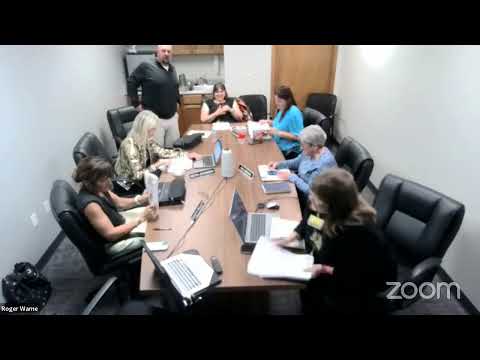
The Atlantic Comm School District’s FY23–24 fiscal review, presented during a board work session, found the district finished the year with a larger-than-expected fund balance but also highlighted a significant special-education overspend that will require board attention.
Lisa, who led the presentation, said the district’s general fund balance ended the year about $1.1 million higher than budgeted. "We actually our fund balance is up 1.1 million," she said, noting the increase reversed an earlier projected drawdown.
At the same time, Lisa cautioned the district overspent special-education accounts by about $469,000. "Right now we're 469,000 overspent in sped," she said, and added staff are reviewing assignments and coding to ensure level-two students are receiving the services intended. She recommended further analysis by special-education staff to reconcile service assignments with expenditure records.
The presentation outlined revenue sources (state aid, local property tax, and declining federal grants such as ESER), expense categories and per-building spending, and transportation metrics (about 285 students riding buses and roughly 63,000 route miles). Lisa explained that certain federal COVID-era funds had supported mental-health staff and other services; with those dollars gone the general fund must absorb those positions if they are continued.
Board members discussed solvency and UAB (unspent-authority) metrics. Lisa said the district’s UAB was about 27.5% and solvency roughly 25.9%, both above typical guidance; she urged strategic planning so the district spends on current students while preserving healthy reserves. She also described that "new money" (additional spending authority based on student counts) is not the same as cash and explained timing of reimbursements for federal grants.
Directives from the session included requests for: a deeper staffing and special-education assignment review by the special-education coordinator and finance staff; an updated solvency projection using September payroll data and enrollment counts; and a plan to present a budget crosswalk and five-year projection ahead of negotiations. The board scheduled the next regular meeting for Oct. 9 and planned a facilities tour and follow-up budget discussions in January.