Get Full Government Meeting Transcripts, Videos, & Alerts Forever!
Get email alerts on the Governance topic
No spam. Unsubscribe anytime.
Board announces special‑education settlements, adopts LCAP and budget and launches study session on district transformation
Summary
The board announced unanimous approvals of several special‑education settlements, adopted the 2026–27 LCAP and budget items, and approved a resolution to begin a public study process about district transformation and facilities planning after heated public comment and student opposition.
The Pasadena Unified board announced the outcomes of closed‑session negotiations, reporting unanimous (7–0) approval of settlement agreements for a set of special‑education cases the board read into the record.
Later in the meeting trustees adopted the district—s 2026–27 Local Control and Accountability Plan (LCAP) and related budget actions. Staff noted the district would braid about $385,000 of learning‑recovery carryover into MTSS and related supports for 2026–27 and said additional state allocations will be incorporated when the school funding figures finalize.
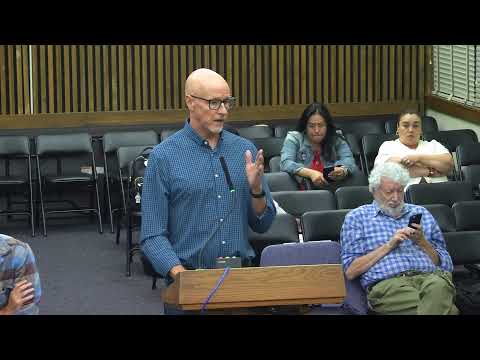
The meeting—s late agenda focused on a contentious proposal to replace an earlier consolidation resolution with a broader district transformation study. Student leaders and dozens of parents strongly opposed revisiting school closure planning this summer, saying renewed talk of consolidation had already caused anxiety and enrollment loss. "The student assembly unanimously opposes resolution 2894," said Student Trustee Bleecker, who said students want their voices prioritized in any review.
Trustees split over timing and approach. Supporters described resolution 2894 as a way to begin a public, structured review of options — including revenue generation, asset management and program alignment — and asked staff to convene an August study session and a public engagement process. Opponents argued the district should first rebuild public trust and that the timing — before school starts and amid recovery after wildfire impacts — was insensitive. After amendments clarifying timelines and community outreach commitments, the board approved the resolution to start a study-session process and public engagement.
Board members emphasized that any actual school consolidations or closures would require specific follow‑up approvals and more detailed analyses; several trustees stressed the difference between a study process and a decision to close schools.