Get Full Government Meeting Transcripts, Videos, & Alerts Forever!
Get email alerts on the Municipal Budget topic
No spam. Unsubscribe anytime.
North Smithfield council approves departmental budgets, records votes on staffing and software lines
Summary
The Town Council approved most FY2026–27 departmental budgets after line-by-line review, approving increases for the police chief’s pay, a staff‑accountant proposal for finance and a software license for the clerk’s office; several capital items and the schools’ funding request remained unresolved.
The North Smithfield Town Council on June 22 approved most departmental budgets for FY2026–27 after extended line‑by‑line review of personnel, software and capital requests.
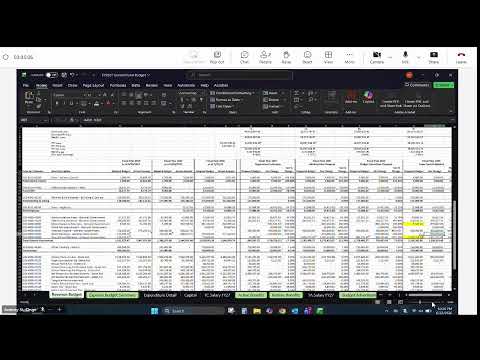
Councilors followed a department‑by‑department approach the administrator described at the start of the session, with detailed expenditure forms displayed for members and viewers. The council voted, by roll call, to adopt the Town Clerk, Probate, Municipal Court, planning, finance, police, fire, assessor, highway, parks and other departmental totals after discussion and targeted adjustments.
Notable adjustments included a $1,247.40 approval for the HeyGov clerk‑minutes software after members debated whether to adopt free generative tools. “As soon as I change a number it changes the levy,” the administrator said while explaining the real‑time levy calculations tied to line edits.
On personnel, councilors approved an amended finance budget that included a new staff accountant position intended to take on police‑detail administration and grants management; council members pressed for a job description and compensation benchmarking before endorsing the position. Several members favored carrying existing pay and applying the TA’s 3% across‑the‑board approach rather than adopting a $65,000 starting salary proposed by the administrator.
Police and public‑safety lines drew substantial debate. The council approved the police department’s budget, which included funding for additional officers and a capital plan for cruisers; the council also approved a 5% pay increase for the police chief to preserve a pay spread with captains. The chief told the council overtime costs had been high and argued additional positions and a shift in staffing would reduce overtime spending.
The council generally concurred with the budget committee’s recommended totals but restored or adjusted specific lines where members requested additional transparency. On the legal budget, for example, members accepted higher contingency/authorized amounts after questions about potential executive‑session liabilities and last year’s actuals.
Most motions carried on unanimous roll calls after discussion. One recorded divergence occurred on the general‑government contingency: Ms. Alston voted no to including a $75,000 contingency/fund‑balance placeholder while other members voted yes.
The council deferred several capital and policy questions—most prominently large road and parks projects and some grant‑dependent capital items—until a dedicated capital review and additional follow‑up, and moved to extend the meeting later in the evening to continue those conversations.