Get Full Government Meeting Transcripts, Videos, & Alerts Forever!
Get email alerts on the Housing topic
No spam. Unsubscribe anytime.
Clackamas County leaders tout housing gains, report SHS investments and raise regional coordination work
Summary
Commissioners highlighted progress on affordable housing projects, reported SHS program results (county figures presented for people housed, evictions prevented and dollars invested) and said Clackamas is coordinating regionally to address vacancies and accountability in the metropolitan area.
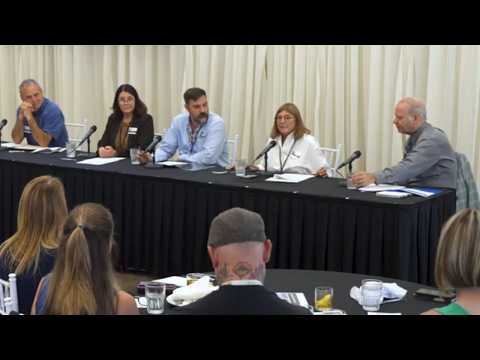
County commissioners used the forum to summarize a decade and a half of housing activity and to present recent SHS (Shared Homeless Services) outcomes. County data presented at the forum included that since SHS began in 2021, 2,873 people have been housed through permanent supportive and rapid rehousing programs, roughly 3,300 evictions were prevented, and $73.5 million in SHS funds were invested in a recent fiscal year.
A commissioner reviewing the county’s strategic goals said that Clackamas County is on track to exceed its Metro Affordable Housing Bond production goals and cited a 15‑year list of projects that includes recent ribbon cuttings and new construction across the county. Speakers stressed attention to senior housing and units for underserved parts of the county.
Panelists also addressed reports of high vacancy rates and long waits for affordable units in the Portland area. Commissioners said Clackamas County has not seen the same pattern of large unfilled inventories and described regional coordination with Multnomah and Washington counties, joint oversight committees, and the use of RIFF (regional investment fund) dollars and SHS tax revenue to improve accountability and match beds to needs across county lines.
Speakers acknowledged remaining gaps: limited fully accessible units for people with disabilities, a growing number of seniors at risk of housing loss, and a middle‑income gap of residents who do not qualify for public plans but cannot afford private care. Staff were asked to prepare work sessions on Oregon’s tax‑deferral authority for seniors and other options to reduce displacement risk.
Commissioners said they will continue to monitor performance measures and explore public dashboards to show KPIs and housing outcomes to the community.