Get Full Government Meeting Transcripts, Videos, & Alerts Forever!
Get email alerts on the Behavioral Health topic
No spam. Unsubscribe anytime.
Clackamas County officials say $44 million is in place for new recovery campus, officials expect 76 beds and broad services
Summary
County commissioners announced full funding for phases one and two of a multi‑acre recovery campus and described a coordinated continuum of services they say will add 76 beds and serve roughly 1,000 people a year, aiming to link treatment, housing and re‑entry supports.
Clackamas County commissioners announced that phases one and two of a multi‑acre recovery campus have been fully funded with a $44 million investment, framing the project as the centerpiece of a recovery‑oriented system of care to tackle substance use disorder, homelessness and related behavioral‑health needs.
Commissioner Ben West said the county pivoted to a recovery‑focused model after convening a blue‑ribbon committee and studying national examples. “We boldly believe this statement that recovery in Clackamas County is possible,” he said, describing the campus as a regional asset funded to move people through treatment and into housing.
County officials outlined the services the campus will combine: withdrawal management, stabilization, medication‑assisted treatment, residential treatment beds, life‑skills support and peer navigators. Commissioner Helm said the campus will add 76 beds to the county’s system and that, combined with co‑located outpatient services, the facility could serve about 1,000 people annually. Officials said they expect construction of the campus to be completed by the end of next year.
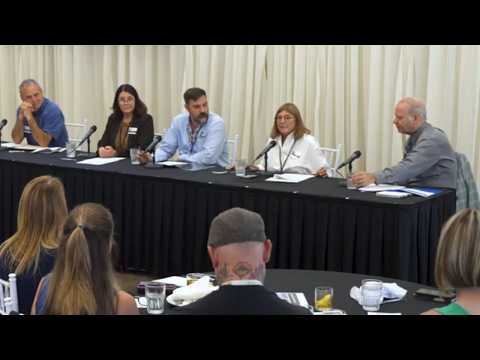
Panelists emphasized that the campus is intended to be one element in a broader care continuum that includes crisis stabilization, transitional housing programs and community partnerships. Speakers noted that the county’s model drew lessons from Haven for Hope in San Antonio and from local nonprofit partners and said the recovery campus will work in tandem with recently opened stabilization centers and supportive housing projects.
Officials also framed the project as a regional effort. They described ongoing coordination with Multnomah and Washington counties on shared funding mechanisms and said the county will use the regional investment fund (RIFF) and SHS tax revenues alongside other sources to operate services and drive accountability.
The board presented the campus as an attempt to reduce costly emergency responses and repeated crisis contacts across hospitals and first responders by providing an alternative, coordinated pathway for people with addiction and behavioral‑health needs. County leaders said they will continue to refine service partnerships and monitor outcomes as the campus begins operations.
The county did not provide a separate vote record at the forum; speakers said the phases had been funded but did not read a specific board ordinance into the record at this meeting. Next steps described at the forum included finalizing construction timelines, coordinating clinical partnerships and executing operating agreements for services.
The forum scheduled an upcoming presentation on the Caring Place in August to describe another element of the county’s continuum of care.