Get Full Government Meeting Transcripts, Videos, & Alerts Forever!
Get email alerts on the Charter Referendum topic
No spam. Unsubscribe anytime.
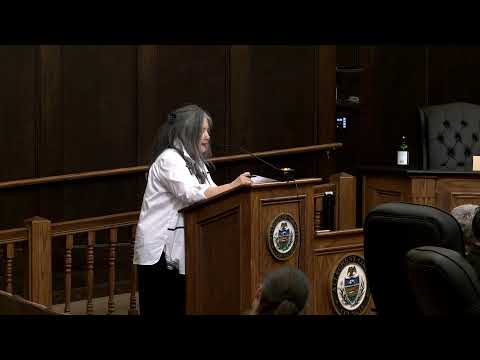
Allegheny County Council votes to send two charter-repeal questions to Nov. 3 ballot, sparking debate over council budget and staffing limits
Summary
Council approved ordinances to place two referendum questions on the Nov. 3, 2026 ballot that would repeal Home Rule Charter limits on Council's annual operating budget and on Council-funded personal staff/district offices; both measures passed 9–6 after a contentious debate over taxpayer impact and council oversight capacity.
Allegheny County Council voted to place two charter-repeal questions on the Nov. 3, 2026 general-election ballot after a contentious debate over whether removing longstanding caps would strengthen Council oversight or open the door to open-ended spending.
The first ordinance (13952-26) would ask voters to repeal Article 3 Section 7F of the Allegheny County Home Rule Charter, lifting a cap on the Council’s annual operating budget. The second (13953-26) would ask voters to repeal Article 3 Section 7C, removing the charter prohibition that currently prevents Council members from receiving county funding for personal staff, district offices and fringe benefits. Both bills were sponsored by a group of council members and recommended out of committee; Councilmember Grisbak moved approval on both motions.
Supporters said the measures are intended to strengthen Council’s capacity to provide meaningful oversight of a $3 billion county government and to give members tools—limited additional staff and budgetary resources—to perform constituent services and vet appointments more thoroughly. “This county runs a larger operation than eight states,” Councilmember Rose said, arguing modest staff increases would improve fiduciary oversight and help prevent future budgetary crises. Mr. Klein framed the changes as a “reset” to rebalance authority between the executive and legislative branches and to give Council a more effective voice.
Opponents warned the repeal would create the appearance of unlimited authority and could lead to higher costs for taxpayers. Councilmember Walton said he repeatedly asked staff whether new work required additional resources and was told no, calling the measures a “disservice to the residents” and vowing to oppose them. Ms. Filiaggi urged a pause so the Government Reform Commission could review the questions and the timing, and Mr. Fietkau said the proposals risked public rejection and political backlash.
On roll call for 13952-26, recorded votes read into the record show nine ayes and six noes; the motion passed. The subsequent vote on 13953-26 produced the same tally and result. The ordinances direct the county to place the two referendum questions on the November 3, 2026 ballot; any change to the charter would be effective only if voters approve the measures.
What happens next: Both measures will appear as ballot questions on Nov. 3, 2026. If county voters approve either or both referenda, Council and the county executive would need to enact implementing legislation and budget adjustments consistent with the charter change and any legal requirements.
Votes and formal actions: The meeting record shows motions to approve were made by Mr. Grisbak and seconded (second unnamed in the record); both measures passed on roll call, Ayes 9, Noes 6. (Roll-call tallies and the full roll-call transcript are recorded in the meeting minutes.)
—