Get Full Government Meeting Transcripts, Videos, & Alerts Forever!
Get email alerts on the Reassessment Bill topic
No spam. Unsubscribe anytime.
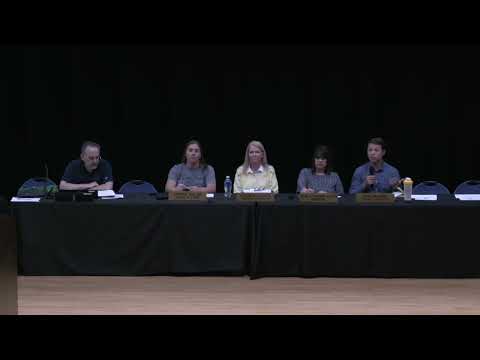
Allegheny County council hearing: proposal would require countywide reassessments every three years
Summary
Council members heard testimony supporting a bill to require countywide reassessments every three years, with advocates saying regular reassessments would improve fairness and predictability while officials and residents pressed for protections for longtime homeowners and clarity on costs and implementation.
Allegheny County council committee members heard public testimony and technical briefings on a bill that would require countywide property reassessments every three years.
Sponsor Councilman Dan Gresbeck described the ordinance as straightforward: it would mandate a countywide reassessment on a three‑year schedule and leave the methodology open. "All it requires is to do a countywide reassessment every three years," Gresbeck said, and he argued modern automated valuation tools could cut the cost compared with a boots‑on‑the‑ground field campaign.
Why it matters: supporters — including school finance officials and housing advocates — said infrequent reassessments have produced large, unpredictable appeal refunds and distorted tax burdens. "The goal of property reassessments is not to generate additional tax revenue," Chair Suzanne Filage said, and she noted state and county rules require taxing bodies be revenue neutral in the year a reassessment takes effect.
School officials spelled out the fiscal consequences. John Dreger, director of finance for Gateway School District, told the committee his district "lost out on approximately $7.6 million" over the past three years from reassessment‑related refunds and adjustments and said that shortfall forced program and hiring freezes. Vanessa Lynch of the Fox Chapel Area School Board said property taxes make up about "64% of our total budget" and that her district had refunded nearly $1.7 million since 2022 after common level ratio litigation reduced assessed values.
Cost and methods: advocates gave wide cost ranges depending on the approach. Pro Housing Pittsburgh research chair Jack Billings cited older, manual estimates of tens of millions of dollars but said modern mass appraisal or automated valuation methods can dramatically reduce costs — he referenced a Tyler Technologies quote of about $65–$68 per parcel and said alternative methods could lower recurring costs to the low millions or less. Gresbeck noted some vendors and recent pilots suggest automated techniques could reduce a manual $30–$40 million program to a multi‑million or single‑million recurring cost.
Protections and design choices: councilmembers repeatedly emphasized anti‑windfall rules and county policies intended to limit individual tax increases. Council members pointed to an existing long‑term owner occupancy program (LOOP) designed to cap year‑to‑year increases for eligible longtime owners, and said the county executive had signed LOOP into law. Councilmembers also committed to public tools — including a proposed calculator — so homeowners can compare the homestead exemption with LOOP protections and to one‑on‑one consultations for concerned residents.
Concerns raised: residents asked whether reassessments could shift the burden from commercial taxpayers to homeowners and whether taxing bodies would follow the revenue‑neutral requirement. Nigel Broadbent told the committee, "You are moving the financial burden from the loss in commercial revenue onto the backs of homeowners." Council members responded that anti‑windfall law requires each taxing body to lower millage after assessed values rise and said enforcement and litigation remain possible if a taxing body failed to comply.
Next steps: the assessment committee is holding a series of five hearings across the county; the session coordinator noted additional hearings and a written comment period open through July 27. No vote was taken at this meeting; councilmembers said they will continue outreach and informational sessions before any final floor action.
Sources: testimony and documents submitted at the Allegheny County Council Assessment Practices Committee public hearing.