Get Full Government Meeting Transcripts, Videos, & Alerts Forever!
Get email alerts on the Infrastructure Sewer topic
No spam. Unsubscribe anytime.
Council asks staff to consult USDA, congressional office on sewer funding after $1M award; engineering update estimated at $5–10K
Summary
Staff told council the Portuguese Bend / Rolling Hills Road sewer main project holds a $1 million community funding allocation but USDA requires an updated preliminary engineering report and NEPA compliance for federal review. Council asked staff to consult USDA and Representative Lou's office about funding or financing options and return with next steps.
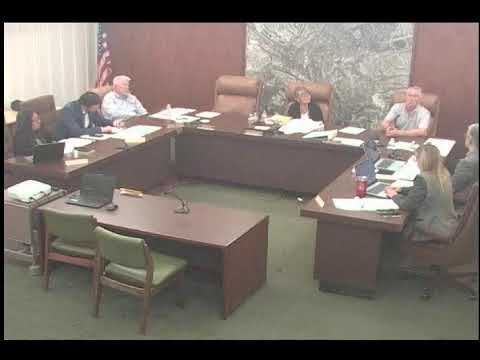
Rolling Hills Estates — The council on June 22 reviewed the multi‑year Portuguese Bend sewer main effort and the $1 million community funding award authorized through Representative Lou’s office. Staff explained USDA and federal requirements that must be met for use of those funds and sought direction on whether to obtain an updated preliminary engineering report to move USDA review forward.
Background: The project began during the city’s 2020 strategic planning process and reached 100% design for a phase‑one sewer main. Past estimates placed the project at about $1.1 million (2021 dollars). Staff said the city secured an additional $1 million in federal community funding on March 18, 2024, but that using those dollars requires compliance with NEPA and other federal administration requirements, and USDA has asked for an updated preliminary engineering report with a liberal cost projection (10–15% contingency).
Staff request and estimate: Staff asked council whether to direct NV5 (the project engineer) to prepare the updated preliminary engineering report requested by USDA; staff estimated that an updated report would cost roughly $5,000–$10,000 to produce (staff will obtain a formal quote before contracting). USDA also generally treats these community funds as reimbursements and would expect project documentation and compliance before disbursement.
Council concerns and direction: Council members and residents raised concerns about cost escalation since the original estimates and about downstream will‑serve capacity, ownership of easements, and whether other jurisdictions might use existing capacity if the city delays. Several residents urged caution, noting recent increases in bid costs for infrastructure projects. The council directed staff to consult USDA and Representative Lou’s office to clarify funding supplementation options, loan/financing routes, and the process for reimbursement, and to return with that information; staff indicated USDA would also require the updated preliminary engineering report to proceed with a full technical review.
Next step: Staff will (1) request a formal NV5 proposal to prepare the updated preliminary engineering report if council wants to proceed with that step, (2) consult USDA and the congressional office about supplemental funding or financing options for a project that has experienced cost escalation, and (3) report back to council with recommended next steps.