Get Full Government Meeting Transcripts, Videos, & Alerts Forever!
Get email alerts on the Volunteer Protections topic
No spam. Unsubscribe anytime.
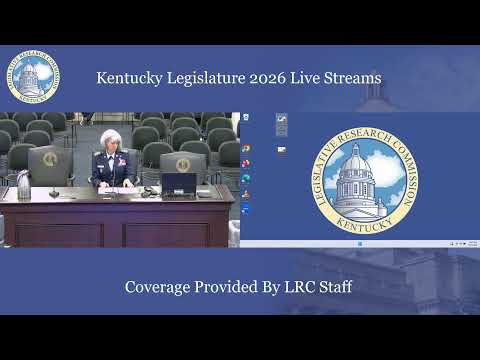
Civil Air Patrol asks Kentucky committee for job protections so volunteers can respond immediately to disasters
Summary
Civil Air Patrol volunteers asked lawmakers to extend employment protections similar to military reservists so members can deploy on state or Air Force Rescue Coordination Center missions without risking jobs, pay or benefits.
A Civil Air Patrol (CAP) colonel asked the committee to adopt employment protections for CAP volunteers who respond to state or Air Force Rescue Coordination Center missions, saying that volunteers currently provide aerial and ground emergency services at personal expense and sometimes cannot respond quickly because they fear losing their civilian jobs.
"We are asking you for your support in allowing us employment protection while responding to state or AFRCC missions," the colonel said, explaining that CAP members receive no pay or benefits from CAP and that protection would allow quicker and longer mission responses.
CAP witnesses said the Kentucky wing has just under 800 members and about 19 squadrons, and that their missions include aerial damage assessment for floods and ice events, missing-person searches and support for points of distribution after disasters. The witnesses said CAP crews provide low-cost technical aerial imagery and other resources that can speed emergency response and assist federal disaster declarations.
Committee members asked how long a volunteer might be deployed. CAP replied that mission length varies: some missions last a day, others require teams for weeks depending on the disaster and personnel availability. Members also asked whether statutory protections could lead to employer discrimination against applicants likely to be deployed; supporters compared the request to existing protections for reservists and noted that CAP members are volunteers rather than active-duty military.
Lawmakers did not vote on a bill at the hearing but discussed how to balance volunteer protections with employer concerns and whether similar protections should extend to other volunteer emergency responders.