Get Full Government Meeting Transcripts, Videos, & Alerts Forever!
Get email alerts on the Municipal Budget topic
No spam. Unsubscribe anytime.
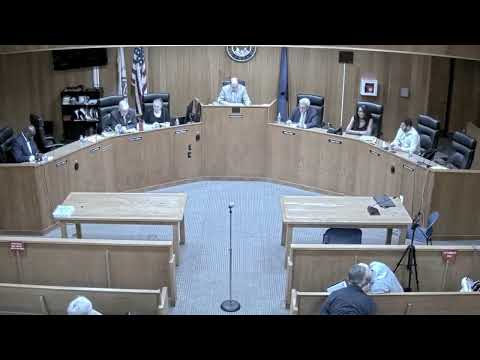
Englewood adopts 2026 budget with 3.95% municipal tax increase
Summary
The Englewood City Council on June 23 adopted the 2026 municipal budget, using more surplus and pilot revenues to limit tax pain while citing sharp increases in health and liability insurance and other mandated costs.
Englewood’s City Council adopted its 2026 municipal budget on June 23, approving a plan that officials said will raise municipal property taxes by 3.95% and rely more heavily than normal on surplus and pilot revenues to cover a larger-than-usual gap.
City Manager Robert S. Hoffman and CFO Michael Calfman presented the operating budget to the governing body and members of the public, saying the operating program was presented as roughly $85 million and that the average assessed home in the city (about $474,900) would see an annual increase of approximately $254.81. Officials said the appropriation increase across the budget was about 4.17%, distinct from the municipal tax increase figure because the total appropriation number includes both inside‑cap and outside‑cap spending.
Hoffman and Calfman told the council that contractual obligations — salaries, utilities, pensions and debt service — make up about 90.3% of city spending, leaving roughly 9.7% discretionary. They singled out health insurance and liability insurance as the largest drivers of the increase: the presentation listed health care cost growth of about 26.18% and an increase in utility costs of about 8.87%.
On health coverage, staff said switching from the state plan to a private plan limited premium growth; Calfman said the change saved the city about $717,000 compared with remaining in the state plan, and that the joint insurance fund (GIF) experience produced both increased contributions this year and a rebate tied to improved loss experience (staff cited a roughly $600,000 GIF impact in discussion).
To ease the burden on property taxpayers, the budget uses higher surplus withdrawals than usual and counts anticipated pilot revenues (agreements with hospital and housing entities) as part of the revenue mix. Hoffman said the administration also is pursuing federal, state and private grants and working with neighboring municipalities on shared services and flood‑mitigation projects.
Council members asked for clarification on several lines, including a decline in Uniform Construction Code revenue driven by fewer building permits and timing of court‑related collections; staff said some permit income can show up in later years when enforcement or court settlements are resolved. Council members also pressed staff on efforts to pursue a health‑insurance consortium and on the calculations behind the cap bank mechanism.
Council votes and next steps: the council approved a set of procedural resolutions to permit the budget to be read by title only and to conduct a self‑examination. On roll call the council then authorized adoption of the 2026 budget (resolution 175). The cap‑bank ordinance (ordinance 2615) — which allows the city to exceed the normal appropriation cap for specified purposes and to “bank” unused cap in future years — was also adopted. All votes on those budget measures passed by recorded roll call.
What happens next: staff said the approved budget and supporting presentations will be posted to the city’s website and that proposed capital projects are already underway across the city, including road, sewer and park work. Council members and staff emphasized that some projects are funded from prior capital appropriations or encumbrances and that more public outreach is planned for specific capital items.