Get Full Government Meeting Transcripts, Videos, & Alerts Forever!
Get email alerts on the Council Actions topic
No spam. Unsubscribe anytime.
Logansport council approves 2027–2030 CIP and continues tax-abatement confirmations
Summary
At a special-called session Mayor Jacob Pumphrey convened the council, which voted unanimously to adopt Resolution 2026‑120 (Capital Improvement Program 2027–2030) and Resolution 2026‑119 (continued tax abatements for companies in compliance); the council also heard public comment from union representatives concerned about the sale and possible closure of Matthew Warren.
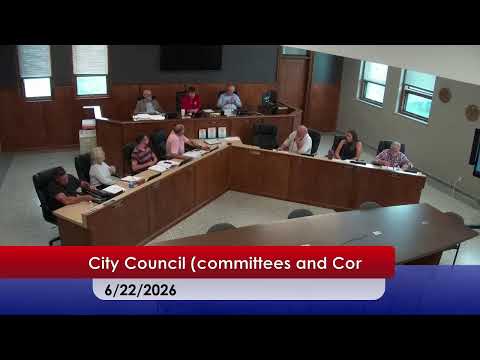
Mayor Jacob Pumphrey called a special session of the Logansport Common Council for a roll call and two resolutions.
Resolution 2026‑119 (a resolution regarding continued tax abatements for companies in compliance with their statements of benefits) was moved by Councilman Morris and seconded; roll‑call votes recorded in the transcript show unanimous approval. Resolution 2026‑120 (approval of the City of Logansport Capital Improvement Program for 2027–2030) likewise passed on a unanimous roll‑call vote.
Finance staff (Bill) had briefed the finance committee before the council session and reported the annual abatement review covered ten companies with roughly $72 million in reported investment and about $59 million in payroll growth tied to abated properties; the review recorded roughly 277 jobs tied to the abatement recipients. Staff noted one company (Myers Spring) had a single compliance line‑item outside expectations but presented mitigating information showing 63% salary growth over five years; staff recommended continued approval with monitoring.
After the votes, the council opened the meeting for public comment. Representatives of United Steelworkers Local 3261 raised a separate, urgent concern about Matthew Warren, a long‑standing local manufacturing employer that had been sold to Rosebank Industries; union representatives said bargaining discussions suggested the new owner may close or downsize the facility and urged the city to engage and preserve jobs.
What happens next: The CIP and abatement confirmations are adopted by council. Staff and councilors discussed follow‑up outreach and statutory processes for vacant properties should a plant close; city staff said they will continue outreach and monitor compliance and property maintenance obligations.
Why it matters: The CIP establishes multi‑year capital priorities that guide spending and budgeting; abatement confirmations affect local economic development oversight and tax revenue projections.