Get Full Government Meeting Transcripts, Videos, & Alerts Forever!
Get email alerts on the Pay And Benefits topic
No spam. Unsubscribe anytime.
Consultants tell Natrona County it is losing ground on pay; commission gets three implementation cost options
Summary
Baker Tilly presented a comprehensive classification and compensation study recommending a move to a 26‑grade, 11‑step pay plan and a separate sworn structure for the sheriff’s office, and laid out three implementation scenarios with one‑time costs commissioners can consider in budget planning.
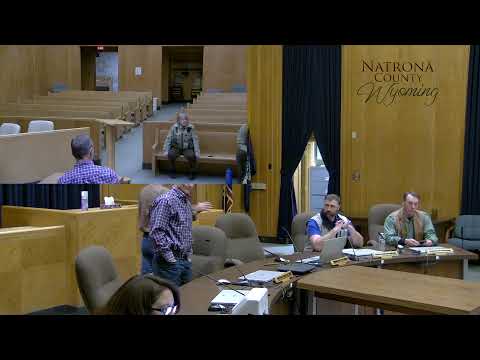
Baker Tilly consultants told the Natrona County Board of County Commissioners on March 17 that the county’s pay structure is compressed and lagging market midpoints, and recommended a new 26‑grade, 11‑step pay plan to restore internal equity and market competitiveness.
“We took 106 positions to market,” said Sarah Town, senior consulting manager and project lead at Baker Tilly. She said the firm calculated market values for roughly 92% of benchmarks and found the county’s average position pay is about 1.6% above market at minimums, roughly 6% below market at midpoints and about 10.4% below at maximums. That pattern, Baker Tilly said, risks recruiting at entry levels and losing employees as they advance.
The consultant recommended adopting a match‑market philosophy, standardizing the county’s 64‑grade structure down to 26 grades with 11 steps (2% between steps, a 22% range spread and 5.2% midpoint differential). The recommendation also includes a separate, aligned structure for sworn sheriff’s positions to avoid compression between deputies and supervisors.
Why it matters: the consultants said a simpler, market‑aligned plan would make career progression more transparent, reduce inconsistent grade overlaps and make annual budgeting for salary progression more predictable for the county.
Implementation scenarios and costs
Baker Tilly gave three options for placing employees on the new scale and the likely short‑term payroll impacts to help commissioners plan for the county budget cycle.
- Option one (minimum action): move employees onto the new scale without creating any paid decreases. Town said the cost to bring all county employees onto the new minimums was presented as roughly $657,000. - Option two (reorientation by time in role): place employees on steps consistent with years in their current role; consultants said this best aligns with the design and was their recommended approach. - Option three (preserve current steps): map employees to equivalent steps in the new structure to minimize change but preserve historical step placement; consultants warned this could perpetuate some structural inconsistencies.
Baker Tilly provided breakout estimates for the sheriff’s office as well: a one‑time payroll adjustment for deputies under option one was cited at about $177,000. The consultants also reported they had graded 118 county positions and ran a position‑by‑position review with department leadership.
County reaction and next steps
Commissioners asked detailed operational questions about career ladders, whether the study accounts for merit or performance pay (the consultants said merit systems and individual bonuses were outside the study’s scope), and how employees whose current pay sits above the proposed maximums would be treated (those employees would be held harmless until the scale catches up).
Commissioner Dallas Lair, who identified himself at the meeting as a commissioner, pressed the consultants on employee impacts and whether employees “will like this.” Baker Tilly reiterated that the study is intended to value positions, not individuals, and recommended accompanying pay policies and clear communication for staff.
Baker Tilly representatives said the county already has a benefits comparison prepared and that their full methodology and implementation materials will appear in the final report. Consultants also confirmed the firm’s contract for the engagement was about $65,000.
What’s next: commissioners will consider the study and consultant recommendations during upcoming budget deliberations and must select whether and how to implement one of the scenarios; any final adoption would be an action by the board and require budget authorization.
Provenance: Baker Tilly’s presentation and Q&A were on the March 17 meeting agenda; the study methodology, market results and implementation options were described throughout the presentation beginning with the consultant introduction and concluding with costing and deliverables.