Get Full Government Meeting Transcripts, Videos, & Alerts Forever!
Get email alerts on the Local Budget topic
No spam. Unsubscribe anytime.
Somers Board of Finance debates path after failed budget vote; public raises trust and transparency concerns
Summary
The Board of Finance on June 25 discussed contingency plans if the June 30 referendum fails, debated whether to adopt a budget matching the selectmen—igure and heard residents raise concerns about transparency, hires, insurance and service cuts; a motion to restore senior-center hours and one transfer-station day was made but no vote was recorded.
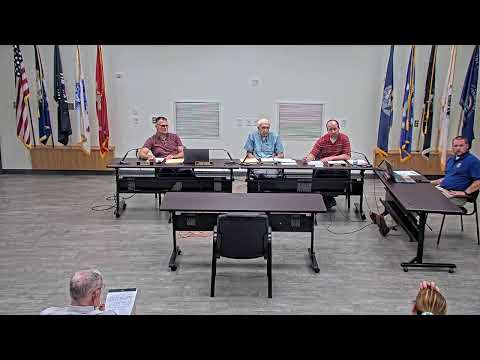
Michael Parker, chair of the Somers Board of Finance, opened a June 25 special meeting by urging the board to plan for the possibility that the June 30 budget referendum will fail and to decide how the board would proceed if voters reject the current spending plan.
Parker said the Board of Selectmen has already set a mill rate and that the budget before voters is the same plan that failed on June 16. He proposed having a spending plan ready "in case that fails" and, to that end, moved to restore line items that would return senior-center Friday hours and reopen the transfer station one additional day so the budget would match the selectmen—igure. "So why don't you just to get it on the table I'd like to make a motion to have a budget that matches the mill rate restored versus the senior center hours and the transfer station," Parker said. A board member said "I'll second that," but the transcript records no formal vote on the motion.
Board members debated the legal and practical effects of the selectmen ction under Conn. Gen. Stat. 12-123. Several speakers cited case law discussed in the meeting (referred to in the transcript as the "Feagle"/"Friegel" and related decisions) and reported that state offices had provided guidance: if a town adopts a lower line-item budget than the basis for a selectmen-set mill rate, surplus collections are placed in a restricted account and used to offset future mill-rate needs rather than be spent immediately. The board summarized the guidance as creating a distinction between the operational mill rate set under 12-123 and a full, line-item appropriation that determines how money is allocated to schools and town departments.
Board members repeatedly said the budget already reflected large, painful cuts and that further reductions would jeopardize essential services. "We don't have reserves to apply," one member said, describing prior use of reserves as taxpayer money that cannot be repeated without future consequences. The board estimated that adding back the senior-center and transfer-station items would increase spending by roughly $140,000 above the current figure.
Residents used the public-comment period to press the board on communications and priorities. "You have a massive perception problem," Michelle Young of Mountain Road told the board, urging clearer language about what happens to surplus funds and saying residents felt unheard. Stephen Kim criticized recent hires and new equipment at the recycling center as ill-timed before a final budget and expressed concern about potential tax burdens on older residents. Brendan Reynolds urged clearer, easy-to-find budget documents for voters and said town residents perceived "fluff" in discretionary line items.
Speakers also questioned specific budget drivers. Commenters and board members discussed special-education costs and rising insurance expenses, and one exchange listed Somers epartmental costs roughly as $300,000 for the local police department and about $160,000 associated with the state resident trooper, figures cited during the public Q&A. Board members said much of the town—udget (about $30 million, as cited in discussion) funds schools and that state rules and enrollment constraints limit how much the board can reduce education spending.
Several people pressed the board to improve online posting and outreach so voters can find line-item budgets; board members acknowledged website navigation issues and agreed to review how materials are displayed. The registrar of voters warned that the town charter protects referendum rights and cautioned against any attempt to cancel or disenfranchise voters; board members reiterated that referendums remain the voters' mechanism.
The meeting closed with the board thanking public commenters and moving into an executive session for interviews. The transcript records the motion to restore senior-center hours and one transfer-station day but shows no recorded roll-call or final vote on that motion during the public session.
Next steps: the board indicated it would have to produce a formal line-item budget if it wished to place a modified spending plan before voters, and town officials noted the timing and logistical constraints for placing items on upcoming ballots.