Get Full Government Meeting Transcripts, Videos, & Alerts Forever!
Get email alerts on the Student Wellness topic
No spam. Unsubscribe anytime.
Elyria City Schools outlines $5.5 million plan for student wellness and disadvantaged-pupil aid
Summary
District staff told the Elyria City Schools Board the annual plan for state Disadvantaged Pupil Impact Aid (about $4.5 million) and the Student Wellness and Success Fund (just over $1 million) will primarily pay staff salaries and expand social-emotional learning, MTSS interventions and community wraparound services.
District staff presented the Elyria City Schools Board on June 24 with a mandated annual plan for two state funding streams and how the district will spend the combined roughly $5.5 million over the coming year.
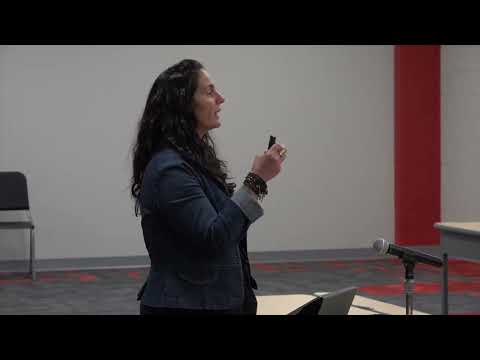
The presenter said the Disadvantaged Pupil Impact Aid (DPIA) allocation totaled about $4.5 million and the Student Wellness and Success Fund was just over $1 million. The funds, the presenter said, are targeted primarily to staff-supported services: school psychologists and social workers, counselors, nurses and health aides, home liaisons, intervention specialists and paraprofessionals.
"These are the staffing positions that are supported through these funds within our school district… and we used it all for salaries," the presenter said, describing the district's approach to meeting the state's requirement that plans show how the money will be spent and what partners will be involved.
The plan emphasizes two main initiatives: strengthening social-emotional learning through counselor- and social-worker-led lessons and small-group work, and improving attendance and academic outcomes through MTSS (multi-tiered system of supports) interventions and a new tier-2 reading program at the middle school. District staff also highlighted crisis and preventative work, including threat assessments and supports for students at risk of self-harm.
Board members noted the district's reliance on community partnerships for wraparound services. A board member praised the district's coordination with county agencies and nonprofits, saying Elyria City Schools "is probably one of the best in the county" at collaborating with groups such as the county health department, juvenile courts, the Boys & Girls Club and regional ESCs.
When asked how DPIA amounts are determined, the presenter said the funding comes from the state foundation formula tied to student counts and the governor's budget and that the allocation can change year to year.
By statute and state guidance, the district must annually report how these funds were spent; the presenter noted that required reporting and that the plan includes named community partners and expected impacts. The board did not take separate action on the plan at the meeting; it proceeded to regular business items after the presentation.