Get Full Government Meeting Transcripts, Videos, & Alerts Forever!
Get email alerts on the Historic Preservation topic
No spam. Unsubscribe anytime.
Newbury hearing draws public pleas to save 25 High Road; commission to consider nine‑month demolition delay
Summary
At a June 17 public hearing, residents urged the Newbury Historical Commission to block immediate demolition of the Old Town Hall at 25 High Road while the commission considers a nine‑month 'preferably preserved' hold under the town's Chapter 65 demolition‑delay bylaw. The commission will vote at its next meeting within 14 days.
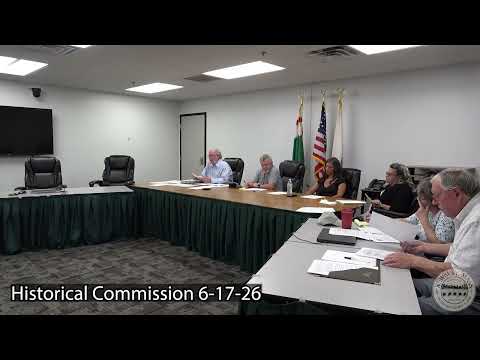
Channing Howard, chairman of the Newbury Historical Commission, opened a public hearing on June 17 on an application from the Town of Newbury to demolish the municipal building at 25 High Road and explained the commission’s role in a two‑step demolition‑delay review under the town’s Chapter 65 bylaw.
Dozens of residents addressed the commission, with several urging the commissioners to declare the Old Town Hall "preferably preserved" so the town must pause demolition for nine months while alternatives are explored. "Demolition is irreversible. Once the building is gone, it is gone forever," said Dana Packer (227 Middle Road), who argued the structure is a tangible link to Newbury’s civic history and urged legal clarity about whether the town, as applicant, may proceed without explicit town‑meeting authorization.
Packer reviewed the bylaw's intent and criteria and cited discrepancies in public records, noting both assessor entries suggesting an earlier construction date and a Massachusetts historical inventory entry that lists a different year. The commission acknowledged those record differences as part of its significance determination.
Other speakers split between urging preservation, supporting a delay to create a plan, and warning of the building’s structural problems. Dale Williams (12 Scotland Heights Drive) and Ted Russell (10 Orchard Street) said past attempts to replace or renovate the building have failed at town meeting and questioned whether renovating the existing foundation and fabric is financially feasible; Russell called the structure "condemned" in parts. "I'm in favor of the nine‑month demolition delay, but I think we need to accept what this town has voted for and against over the last 10, 20 years," Williams said.
Several commenters said they would accept rebuilding a new structure that accurately replicates the exterior appearance. "If the building's to be replaced, it needs to be replaced with a facsimile of what was there, including the sign and the chimney," the commission chair said, summarizing comments about preserving the Upper Green streetscape.
A representative identifying themself as "Pervagi" and stating they represent the Select Board said the town's present goal is to cure building defects and continue municipal use of the site, not to divest title. The representative described the town hall’s interior air quality as substandard and the foundation as unsound, and noted that whether a town meeting is required to authorize demolition depends on whether a municipal appropriation for replacement or demolition is necessary.
The commission’s immediate question remained procedural and narrow: does the structure meet the bylaw’s eligibility and public‑interest criteria to be labeled "preferably preserved," which would trigger a nine‑month delay in issuing a demolition permit? Commissioners confirmed they will not vote at the June 17 hearing; a public meeting to take the vote will occur within 14 days, and the commission said it will forward its determination to the building commissioner immediately after the vote.
The hearing also included historical background given by the chair: the current municipal building replaced a Grange Hall that burned in 1927, and the structure is listed as a contributing property in the Newbury Historic District on the National Register of Historic Places (1976). Speakers referenced the town’s effort earlier in the year to formally review the building’s historical significance.
The meeting ended after a brief procedural motion to adjourn, which passed.