Get Full Government Meeting Transcripts, Videos, & Alerts Forever!
Get email alerts on the Airport Funding And Infrastructure topic
No spam. Unsubscribe anytime.
AOPA expert tells Manchester council federal rules and a 95% grant make runway resurfacing financially compelling
Summary
At a Manchester work session, AOPA regional manager Tom Chandler explained FAA grant assurances, closure limits and a temporary 95% federal match window for FY2025–26; council members weighed a $63,000 short‑term crack seal against a $1.2 million resurfacing that could extend runway life 15–20 years.
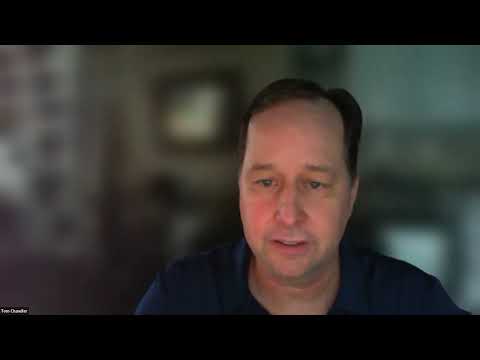
Tom Chandler, regional manager for the Aircraft Owners and Pilots Association, told the Manchester City Council and airport advisory board at a joint work session that federal grant rules make it difficult for the city to close a grant‑obligated airport and that a near‑term funding window could sharply reduce the local share of a runway project.
Chandler said the 2024 FAA reauthorization, signed May 15, 2024, raised Airport Improvement Program funding from about $3.35 billion to $4.0 billion annually and includes a provision protections for general aviation airports from arbitrary closure. “For grant‑obligated airports, they’re not going to allow them to close,” Chandler said, describing provisions that generally bar permanent closure unless a replacement airport is directly facilitated.
The presentation outlined how Manchester’s past grants affect options now: the 2019 runway project starts a roughly 20‑year clock on obligations for that work, while a 2021 grant tied to real‑property acquisition can create perpetual restrictions on land disposition without U.S. Department of Transportation approval. Chandler said those grant assurances aim to prevent federal funds from building infrastructure that is later abandoned.
Council members and airport stakeholders focused discussion on costs and timing. The airport board presented a short‑term crack seal estimate of about $63,000, which board members said would extend pavement life roughly three years. By contrast, the board’s current resurfacing estimate is about $1.2 million for a 2‑inch removal and replacement that, together with repainting and tile installation, would be expected to last 15–20 years. Chandler said a planning/application submission in time for federal fiscal years 2025–2026 could qualify Manchester for a temporary 95% federal match, reducing the city’s local share to about 5 percent for those two fiscal years.
Jim Fisher asked how the changed local share affects timing; Chandler replied that the 5% local share rule is temporary for FY2025 and FY2026 and that cities must get applications entered early in the federal planning cycle to be prioritized. “That 5 percent makes it a whole lot easier,” Chandler said, urging the city to get a request on the FAA’s books so planners can include the project in their schedules.
Councillors and members of the airport group also aired concerns about community perception and taxpayer value. Some speakers said residents view hangar users as private beneficiaries of public spending; airport tenants countered they pay leases and local taxes and that the airport supports business, agricultural sprayer operations and medical airlift capability. Chandler stressed that most small public airports do not fully break even but serve as transportation infrastructure that draws investment. “You can get a nine‑and‑a‑half to one return on that investment,” he said, describing high federal reimbursement rates relative to local outlay.
On operational details the group discussed based‑aircraft counts and eligibility for federal programs. Chandler noted FAA registration data can lag and fluctuates; he cited an FAA email indicating Manchester’s recorded based aircraft dipped to six at one point in 2023, while on‑site counts show the airport near the 10‑aircraft threshold that matters for certain programs. Board members said the airport has a waiting list for hangar space and suggested using the airport’s annual NIPUS allocation (reported in the meeting packet as about $150,000) to support hanger development and grow based aircraft counts.
Board members asked the council to allow a staff submission to the FAA so the project can be entered into the federal planning process; Chandler and airport board members emphasized the submission would not obligate the city to accept funding. The board requested council consideration of an authorization at the council’s next meeting so the city manager could sign a grant agreement later if council formally approves it.
No formal vote on the runway project or grant acceptance took place at the work session. A motion to adjourn was moved by Brian and seconded by Bill, and the meeting ended.
Next steps identified by speakers: the airport board will share materials publicly to improve community understanding, the board and council will consider submitting a planning/application request to the FAA for the FY2025–26 95% match opportunity, and staff indicated a July council meeting could consider authorization to sign any future grant agreement.