Get Full Government Meeting Transcripts, Videos, & Alerts Forever!
Get email alerts on the Opioid Settlement topic
No spam. Unsubscribe anytime.
Las Cruces lays out $2.9 million initial opioid settlement spending, awards treatment and prevention grants
Summary
City staff presented a two-year spending plan from opioid settlement funds (about $2.9 million approved) allocating roughly 60% to treatment and 40% to prevention, awarded grants to three providers and outlined naloxone purchases and transparency steps.
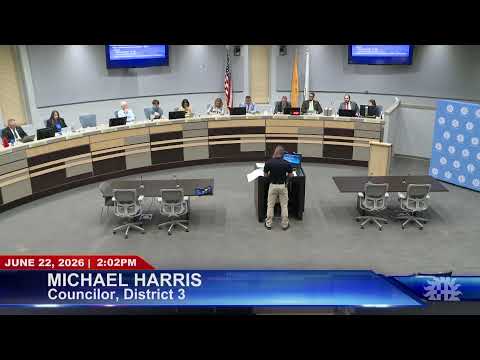
Wes Smith, a case manager with the Las Cruces Fire Department assigned to steward opioid settlement funds, presented the city's spending plan and early results to the City Council. He said the city is estimated to receive about $9.8 million through 2038 and had received roughly $3.8 million as of June 2026. Council approved a two-year funding cycle representing about 30% of the total anticipated distribution, roughly $2.9 million.
Smith described the required scope of spending under the National Settlement Agreement and the city's priorities: medication-assisted treatment, warm handoff and recovery services, prevention programs and improved data collection and reporting. He said $327,000 was earmarked for data collection and evaluation; the plan sets a 60/40 split favoring treatment over prevention in that funding cycle.
Smith listed immediate investments and awards. Prevention funding is supporting Las Cruces Police Department programming (Keeping It Real curricula in three elementary schools, reaching 263 students so far) and expanded social-emotional learning in public schools. The fire department purchased naloxone supplies identified in the presentation as 300 naloxone syringes and 600 boxes of Narcan; cases and reserves were distributed to the Las Cruces Police Department and other first responders to ensure on-scene availability.
The city awarded three service contracts effective July 1, 2026: Dona Ana County Resilience Leaders ($399,904) for a trauma-informed family support center; Ideal Option ($1.1 million) for deflection and intensive case management; and Porchlight Health ($245,950) for on-demand medication-assisted treatment. Pivot Evaluation was contracted by the city and county for joint evaluation; Smith said evaluators will focus on a process review in year one and outcomes in year two, with formal evaluation reports at six-month intervals and more frequent operational data from providers.
During council questions, staff said the planned grant development and compliance specialist will be embedded in the city's finance grants program and will pursue complementary funding beyond this settlement cycle. Councilors raised an Opioid Settlement Advisory Council (OSAC) letter noting communication gaps and some program concerns. Athena Huckaby, special project manager for Dona Ana County, said the letter urged continued city-county coordination and reminded officials of OSAC's advisory role; she acknowledged a temporary communication gap because of staff turnover but said coordination has improved. Huckaby also noted one OSAC member objected to funding the Keeping It Real curriculum, though she said final spending decisions rest with the city.
Smith said transparency measures include a City of Las Cruces accountability website with live updates of expenditures and an ERP model approved June 15, 2026. He said the city and county will continue working with OSAC, community stakeholders and a third-party evaluator to prepare subsequent funding rounds.