Get Full Government Meeting Transcripts, Videos, & Alerts Forever!
Get email alerts on the Community Wellness topic
No spam. Unsubscribe anytime.
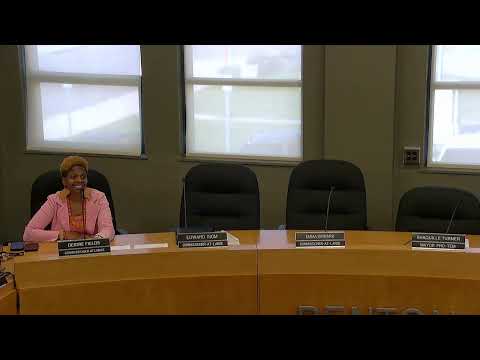
Desiree Hardin pitches 'Planting Seeds of Healing' community wellness program for Benton Harbor
Summary
Desiree Hardin, a Benton Harbor native and founder of When Roses Bloom, presented a multi-component community wellness initiative aiming to serve 500+ youth and 300+ caregivers annually through trauma-informed workshops, school-based youth programs and community partnerships; the committee discussed school connections and funding strategies.
Desiree Hardin introduced "Planting Seeds of Healing, Growing Communities of Hope," a nonprofit-led community wellness ecosystem proposal she said would integrate mental health, youth development, parent engagement, violence prevention and community capacity-building in Benton Harbor.
Hardin, who identified herself as a Benton Harbor native, a district behavioral therapist and the founder of When Roses Bloom, told the committee she has used the model in other cities and plans to reestablish programming locally. "It's called Planting Seeds of Healing, Growing Communities of Hope," she said, outlining five interconnected initiatives including parent/community cafes, a Bloom Lab for creative healing, a Youth Wellness Initiative and community healing workshops.
She described measurable goals for year one: serving more than 500 youth, reaching 300-plus caregivers, delivering roughly 36 workshops including monthly parent cafes, forming about 20 community partnerships and securing $100,000 in external funding from donations and sponsorships. Hardin said she is a licensed therapist specializing in trauma-informed care and certified in crisis prevention intervention and that she supplements program delivery with grant-writing and corporate partnerships she has already developed with organizations such as Sam's Club and Meijer.
Committee members asked whether she had formal school partnerships; Hardin said she was rebuilding relationships in the district and cited a coach who had worked under her in Grand Rapids as a connection. Members expressed support and encouraged formal referral of contact information to the city clerk to explore opportunities for collaboration, including potential presentations to the full commission or integration with city youth initiatives.
The presentation concluded without a formal vote; committee members indicated interest in following up on partnerships and funding options. The committee suggested staff assistance to connect Hardin with school officials and to consider inviting her back to a full commission meeting for broader recognition and possible coordination with city programming.