Get Full Government Meeting Transcripts, Videos, & Alerts Forever!
Get email alerts on the Budget Overview topic
No spam. Unsubscribe anytime.
Bedford County budget review flags salary corrections, grant‑writing study and restricted‑fund questions
Summary
In an informal study session, commissioners probed line items in the draft Bedford County budget, pressing staff on salary adjustments (including a technical correction for the plan director), the possibility of hiring a grant writer and unexplained changes in restricted and hospital‑related funds.
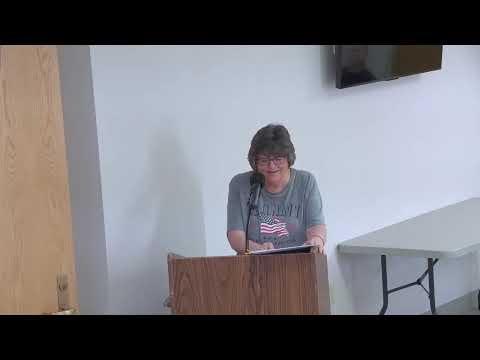
Bedford County commissioners and members of the financial management committee met in an informal, recorded study session to review the draft county budget and ask staff for line‑by‑line clarifications.
Commissioners asked staff to explain entries labeled broadly as “other” and to point to the detailed page breakouts in the budget book. Robert, a county staff member who led many of the line‑item explanations, told the group that some ambiguous lines (for example, 54490 and 54900) map to public‑safety codes such as fire/EMA and E‑911, and that insurance and liability entries appear on the detailed pages. “54490 is fire and EMA. 54900 is E‑911,” Robert said when asked about those two codes.
The group also discussed personnel costs. A roughly $10,000 (about 10.4%) increase on a single salary line for the plan director was attributed to a technical base‑pay correction ($4,825) combined with cost‑of‑living and step increases; staff said the correction brought that position’s pay onto the established pay scale. Commissioners expressed interest in reviewing finance‑office staffing and comparative pay; one commissioner asked staff to provide comparative data from nearby counties.
On grants, a commissioner noted an apparent $419,985 gap under “other state grants” and asked whether Bedford County should consider hiring a full‑time grant writer. Staff cautioned that grant volumes have declined since the COVID period and that many grants require matching funds; they recommended studying the return on investment before hiring.
Commissioners also sought a clearer accounting of restricted and committed funds. Robert outlined categories such as drug and alcohol treatment funds, courthouse renovation reserves and court automation fees and said those sums are set aside for specific allowable uses. On a related question about a recent drop in a hospital‑related principal account, staff asked for time to pull the transaction history and said they would report back with details.
The meeting closed after staff confirmed a June 30 special‑call commission meeting to vote on final budgets and tax rates and a Financial Management Committee meeting that same evening to address housekeeping amendments.
Next steps: staff will supply requested page breakouts and follow up on the hospital‑fund transactions and any pay‑scale comparisons for the finance office.