Get Full Government Meeting Transcripts, Videos, & Alerts Forever!
Get email alerts on the District Budget topic
No spam. Unsubscribe anytime.
Waterford School District warns of roughly $3 million budget increase as health insurance and contractual salaries climb
Summary
District staff told the finance committee the next-year budget faces a roughly $3 million increase driven largely by a projected $1.7 million (about 20%) jump in health insurance costs and contractual salary obligations; board members pressed for clearer line-item explanations and follow-up at February budget workshops.
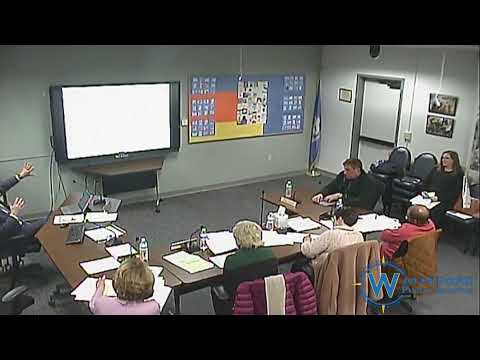
District staff told the Waterford School District finance committee on Feb. 3 that next year's proposed budget will be driven largely by rising health insurance costs and contractual salary increases, producing a gap of about $3 million that the administration said it will need to address at upcoming budget workshops.
"We are projecting over a 20% increase or a $1.7 million increase in health insurance," a district staff member said, adding that self-insured claims experience and higher stop-loss premiums were the primary causes. The staff member said that combined with contractual salary and step increases and recent paraprofessional contract settlements, the district faces a multi-million-dollar year-over-year increase.
The presentation identified the largest budget drivers as health insurance, support-salary contract increases (notably for paraprofessionals), and certificated salary and step/degree changes. The staff summary presented to the committee showed those items account for the bulk of next year's increase while all other budget categories together account for roughly 1% of the rise.
Board members asked for clearer breakdowns of the numbers and for contextual explanations during the next public budget presentations. One member requested that the administration show how much of each dollar increase is non-negotiable (contractual or degree/step obligations) versus discretionary additions. The presenter agreed to supply a clearer color-coded or summarized explanation at the Feb. 6 budget session and said a fuller unpacking will follow in later budget workshops.
Staff also described steps previously taken to mitigate increases, including a reduction of roughly 13 FTE across middle and high school departments over several years. The district emphasized it is exploring options to reduce health-insurance costs—including shopping stop-loss contracts and other plan design changes—but cautioned that changes to carriers or major design alterations require significant lead time.
The committee was told that additions in the recommended budget are modest and targeted: an increase of roughly 2.0 FTE in multilingual-learner positions to bring the district to five ML teachers, and one additional IT position to support a device fleet that grew from roughly 500 devices to about 3,500. Those additions were presented as investments intended to meet enrollment and technical-support needs rather than discretionary spending.
Next steps: staff committed to present more granular line-item explanations at the Feb. 6 budget presentation and to bring finalized additions and reductions for board action on Feb. 13 and Feb. 27.