Get Full Government Meeting Transcripts, Videos, & Alerts Forever!
Get email alerts on the Assessment topic
No spam. Unsubscribe anytime.
Waterford reports SAT math gains, lower chronic absenteeism; ELA steady
Summary
Superintendent and district staff presented spring 2024 assessment results showing an 11‑point average gain on the high‑school SAT math score, modest ELA gains, small science declines and a notable drop in chronic absenteeism; principals outlined data‑driven interventions underway.
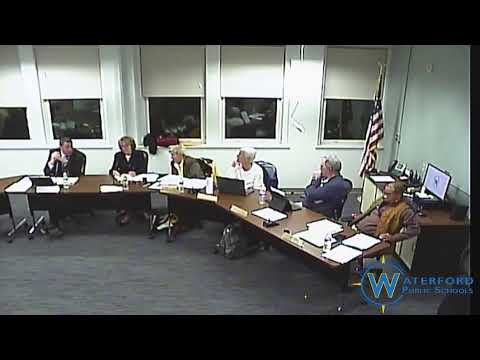
The Waterford Board of Education received the district's spring 2024 assessment report, which officials said shows steady improvement in math and attendance alongside largely stable English language arts results.
"The math average score increased by 11 points," said the Superintendent, summarizing high‑school SAT performance as the "third year of consistent growth." District staff said that grades 3–8 showed small aggregate gains in math (roughly 2–3 percent) and that measures of student growth and percent of target achieved also improved in multiple grades. Officials cautioned the slides compared year‑over‑year groups, not cohorts of the same students.
District presenters also highlighted declines in chronic absenteeism. "We went from about 14% to 7%" in one school and the district saw a roughly 4‑percentage‑point drop overall, which administrators estimated equates to about 100 fewer chronically absent students among approximately 2,400 students. Building principals credited real‑time dashboards, targeted outreach, and coordinated intervention meetings for much of that improvement.
Science scores showed a slight dip from last year in some grades. "We're putting a lot of energy into our language arts program," a district administrator said, noting the possibility that shifts in focus between subjects and pilot programs can produce year‑to‑year variation.
Principals described operational responses: expanded intervention schedules, shared screening tools for tiered supports, literacy coaches, updated data collection forms for intervention students, and classroom learning walks aimed at improving engagement and high‑quality, "durable" assignments that resist simplistic AI use.
Administrators and board members framed the results as a mix of positive trends and areas needing targeted work, and said the district will continue to monitor grade‑level fluctuations and align curriculum revisions with assessment findings.
Next steps: building leaders will continue stat meetings and targeted interventions; the board heard the presentation and discussed follow‑up monitoring but did not take a separate policy vote on the presentation itself.