Get Full Government Meeting Transcripts, Videos, & Alerts Forever!
Get email alerts on the Public Records Act topic
No spam. Unsubscribe anytime.
Carlsbad board votes to stop posting employee‑focused PRA requests on public website after contentious hearing
Summary
After public testimony and heated trustee debate over staff safety and transparency, the board authorized staff to stop posting on the district website any Public Records Act requests and responses that primarily concern district employees, while continuing to fulfill PRA obligations.
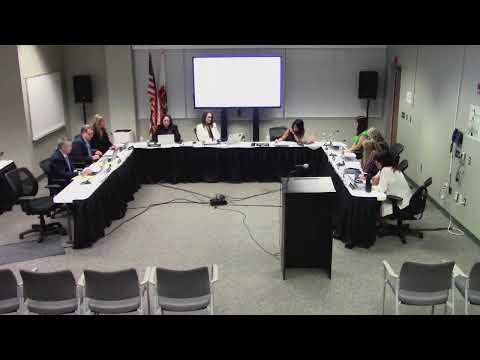
The Carlsbad Unified School District board on June 24 voted 3–2 to discontinue posting on the district’s public website any Public Records Act (PRA) requests and responses that primarily concern district employees.
Staff framed the change as a narrow adjustment to balance transparency with employee safety after repeated concerns from the Carlsbad Unified Teachers Association (CUDA) and reports of staff feeling targeted online. Megan Aras told trustees the practice of posting employee‑related requests and responses had caused some employees to feel ‘‘targeted or harassed,’’ and that the district would continue to fully comply with PRA obligations by providing records directly to requestors.
Public commenters sharply disagreed. Scott Davidson, speaking for a community watchdog group, said the proposal appeared to “demand that the school district keep secrets from parents” and described using PRA requests to investigate an unsupervised student walkout; he urged the board to reject the change. CUDA President Rachel Marino told the board the practice had threatened staff safety and that removing employee‑specific postings was warranted.
Trustees explored alternatives such as redacting names before posting; staff warned redaction may not reliably protect identity because contextual data can reveal individuals. An amendment to eliminate all PRA postings failed; the narrower motion — to stop posting only employee‑centric requests and responses — carried 3–2. Supporters argued the change protects staff from doxxing and harassment while preserving requestors’ legal access; opponents said it reduces public transparency and asked for clearer standards for what will be withheld.
What it means: Members of the public who make PRA requests will still receive responsive records directly. The district will no longer publish employee‑centric PRA disclosures on its public website and will continue to comply with California Public Records Act obligations.
Follow up: Trustees asked staff to use discretion in applying the new practice and to check legal risk; the board agreed the policy can be revisited if it creates problems.