Get Full Government Meeting Transcripts, Videos, & Alerts Forever!
Get email alerts on the Land Use topic
No spam. Unsubscribe anytime.
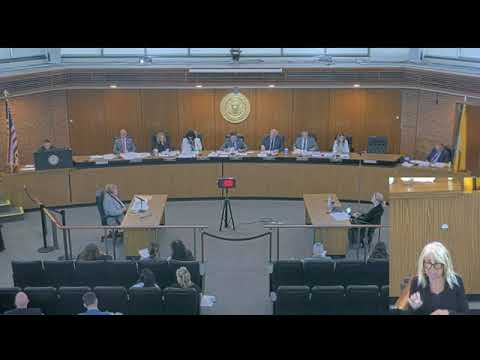
Hempstead board approves special-exception for Spark Car Wash on Hempstead Turnpike
Summary
The Hempstead Town Board voted unanimously June 23 to grant Spark Car Wash LLC a special exception to develop a 4,920 sq ft express car wash at 1640 Hempstead Turnpike in East Meadow, with conditions for screening and possible future signage review.
The Hempstead Town Board voted unanimously June 23 to grant a special-exception application from Spark Car Wash LLC to develop a 4,920-square-foot express car wash at 1640 Hempstead Turnpike in East Meadow.
The company—s attorney, Keith Brown, told the board the site is a long-vacant paved lot and that the proposal includes two queuing lanes (one members-only), 20 parking and vacuum stalls, a 10-foot sound-attenuation wall along the rear yard, and a 10-foot-wide landscape buffer consisting of 21 giant arborvitae and 16 juniper evergreens to screen the operation from neighboring residences. "We think this is a great reuse of this vacant parking lot," Brown said.
Or Ratesis, representing Spark Car Wash, described the operation as an "express" tunnel system where cars are in the tunnel about 2—2 minutes and customers may use on-site vacuums and amenities; he said the company will staff the site roughly from 7:00 a.m. to 9:00 p.m., with public operating hours generally 8:00 a.m. to 8:00 p.m. and deliveries scheduled during staffed hours. "We're looking to bring our state-of-the-art express car wash concept here to East Meadow," Ratesis said.
Board members asked about landscaping maintenance, parking compliance and deliveries. Councilman Dunne asked whether the applicant would contract a licensed landscaper to maintain plantings weekly from April 1 to Oct. 30; the applicant agreed. Board members were told the site meets the town—s bulk requirements and that the only anticipated zoning application would be for signage; the treatment of the sound wall by the building department may require follow-up review.
The board made a motion to close the public hearing and approve the item; the vote was recorded as seven ayes, zero nays. The board instructed planning and building staff to process any remaining administrative or signage reviews with the usual departmental approvals.
What happens next: the applicant may need a separate signage variance and any building-department determinations about the sound-attenuation wall; otherwise the special-exception approval allows the project to proceed through permitting. Arguments for and against: supporters and the applicant framed the project as a reuse of a long-vacant lot that will add tax revenue and screening; no members of the public spoke against the application during the hearing.
The town referenced the application under "section 196N" and "section 196" of the town building ordinance during the hearing; any final permits will be subject to the town—s standard building and signage reviews.