Get Full Government Meeting Transcripts, Videos, & Alerts Forever!
Get email alerts on the Board Governance topic
No spam. Unsubscribe anytime.
Local Board of Tax Review elects secretary, adopts hearing rules and confidentiality agreement
Summary
The Local Board of Tax Review elected Libby Schroeder as secretary, unanimously adopted rules and supporting hearing forms, and required members to sign a confidentiality agreement to protect taxpayers' income‑tax information. The board also clarified hearing numbering and form-handling procedures.
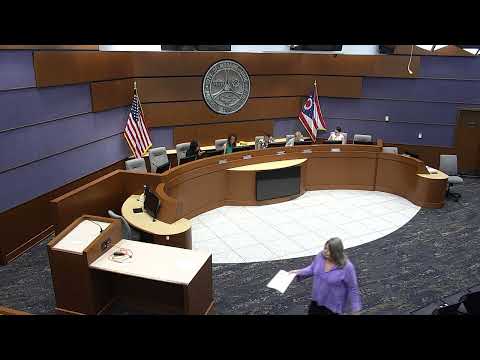
The Local Board of Tax Review completed its organizational business and adopted a set of hearing rules and supporting forms in a unanimous vote during an organizational meeting that began at 3:05 and adjourned at 3:20.
At the meeting, board members recorded roll call and confirmed attendance. The seated members voted to elect a chairperson by majority and moved to appoint Libby Schroeder as secretary; the roll call recorded 'yes' votes from Mrs. Dove, Mrs. Schroeder and Mrs. Bond for the secretary appointment and for adoption of the rules and regulations.
Board members and staff emphasized that hearings are likely to be infrequent but require clear procedures because they involve sensitive tax records. The packet presented for review included the rules and regulations, standard operating procedures, and forms to be used in hearings. Members discussed the proposed convention for assigning hearing numbers and agreed that a year-plus-sequence format (for example, "2026-01") would be logical for numbering cases.
Members identified and resolved a discrepancy between two documents about how individual "opinion of board member" forms should be routed after a hearing. The conducting-a-hearing checklist indicated members would give completed opinion forms to the chairperson, while the procedural guide said the forms go to the secretary. The board agreed to add a step to the conducting-a-hearing checklist: members will give completed opinion forms to the chairperson, and the chairperson will then provide them to the secretary for review and compilation of the final determination.
The packet also included a confidentiality agreement, which members noted is important because the board will handle taxpayers' income tax returns and related financial information. Members were asked to sign the confidentiality agreement at the meeting once the rules were adopted.
Staff described how hearings will proceed: when a taxpayer files a request for a hearing to contest an assessed amount, penalty or late fee related to city income tax, the board will be assigned a hearing number, hear both sides (the taxpayer may bring counsel), and the board will produce a written opinion and final determination. The board said legal representation (identified in the meeting as Martina) will attend hearings to provide counsel to the board. A discussion touched on limits for appeals; a figure of "60" was mentioned in the transcript in response to a question about statute-of-limitations timing, but the unit (days, months, years) was not specified in the record and therefore is not asserted here.
Following the roll-call vote to adopt the rules and related documents, members agreed to sign confidentiality agreements and adjourned the organizational meeting at 3:20 p.m.