Get Full Government Meeting Transcripts, Videos, & Alerts Forever!
Get email alerts on the Data Centers topic
No spam. Unsubscribe anytime.
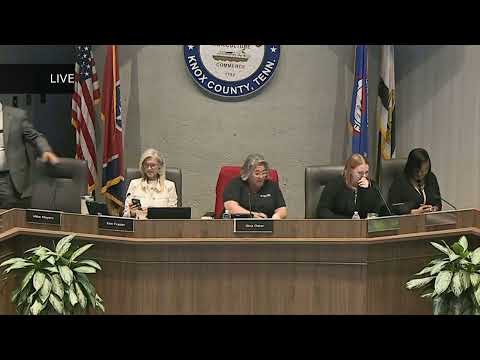
Knox County commission enacts one-year moratorium on new large-scale data centers
Summary
After hours of public comment and technical debate, the Knox County Commission voted to pause permitting of new large-scale data centers for one year (or until new county regulations are adopted), amending the proposal to set the size threshold at 10 megawatts and asking the Planning Commission for expedited recommendations.
Knox County commissioners voted Tuesday to impose a one-year moratorium on the siting and permitting of new large-scale data centers, citing concerns about infrastructure strain and time to adopt targeted land-use rules. The moratorium takes effect immediately and will remain in place until June 30, 2027, or until the commission adopts new regulations governing data centers, whichever comes first.
Supporters said the pause is a short, precautionary measure that gives county planners time to draft rules on where such facilities can locate and what safeguards they must meet. “An ounce of prevention is worth a pound of cure,” Commissioner Fox said during debate, arguing the county should be prepared before major projects seek permits.
Opponents and some commissioners urged caution about the moratorium’s scope and potential unintended consequences. Telecommunications firms including AT&T and Comcast asked the commission to exclude ordinary communications infrastructure from the ban, expressing concern that older, legitimate telecom facilities could be caught by broad definitions. Dustin Bly of AT&T told the commission the company supported protecting routine broadband and emergency communications infrastructure and asked for clarity so long-established facilities are not mischaracterized.
County legal staff and the commission adjusted the measure during debate. The final motion raised the definition threshold to 10 megawatts (from an initial 5 MW) and explicitly directed staff to refer the moratorium text to the Planning Commission for an expedited review and recommendation. Senior deputy law staff said the moratorium is drafted to avoid capturing existing facilities and includes an exemption for operations already in place when the moratorium takes effect.
Public testimony at the meeting was intense and split. Residents warned that large data centers can consume large amounts of electricity and water, create persistent sound, and provide few local jobs compared with their infrastructure impacts. Supporters of economic development urged balanced review, saying data centers are significant computing resources and not all proposals are the same.
Director Moyers told commissioners that, procedurally, referring the pause to the Planning Commission while keeping the moratorium in force helps protect the county legally and gives both planners and the public time to review proposed rules. The Planning Commission will now review the moratorium language and advise the commission on permanent regulatory options. The moratorium passed on the floor after the amendment and referral motion.