Get Full Government Meeting Transcripts, Videos, & Alerts Forever!
Get email alerts on the Landings Resort topic
No spam. Unsubscribe anytime.
Planning board deadlocks on Carter Lake rezoning for 19-site ‘glamping’ project
Summary
The Carter Lake Planning Board declined to recommend rezoning for The Landings LLC’s proposed 19-cabin glamping resort after lengthy public comment about wetlands, parking and neighborhood impacts. The developers said consultants estimate a 2/3 reduction of an on-site pond and cited a $185,000 feasibility study; the matter now moves to city council without a planning-board recommendation.
The Carter Lake Planning Board voted March 10 to withhold a recommendation on a rezoning request for The Landings LLC, a proposal to build a 19-site lakeside glamping and cabin development.
Applicant Laura Tarpan, representing The Landings Reserve, told the board the team is asking to change the property from R1/R2 to R3 and to adopt specific text amendments to allow “resort lodging” on the parcel. Tarpan said the developer’s civil engineer is working to reduce the size of a proposed on-site pond “by about two-thirds” and to relocate it closer to the lake, and that a desktop wetland delineation identified a shoreline area they intend not to disturb. “We fully intend to comply with all of the appropriate regulating bodies,” Tarpan said.
Supporters and neighbors traded sharply different views during a long public-comment period. Some residents and community members praised the concept as a potential tax and tourism boost. Realtor Jerry Hunter said the project could bring visitors who would use on-site fire pits and trails and spend locally. “I think this project is an awesome project for Carter Lake,” he said.
Other neighbors expressed concerns about traffic, parking, stormwater and wildlife. Several residents pressed the applicants on technical details: proposed parking (the applicants said the site would provide about 31 spaces), average guest loads (applicants estimated 1.5 guests per cabin and a 70% occupancy rate), cabin sizes (about 235 square feet on average) and how utilities and stormwater would be handled. Mark Holland, a local engineer, asked the applicants for a schedule and cautioned that a prolonged construction period could disrupt the neighborhood. “If there is movement towards this being finalized, there’d need to be a very strict and understood schedule,” he said.
The applicants told the board they had commissioned a market and financial feasibility report (they said the consultant’s work cost $185,000) and that they plan permanent cabins built on footings per city staff recommendations. The team also said they have a lot under contract that is contiguous with the proposed site and that they have engaged consultants on wetlands and site grading.
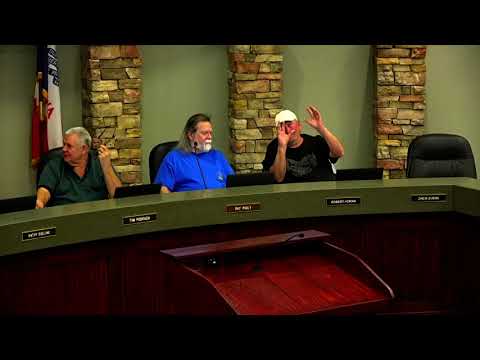
After board discussion — during which members described the project as professionally presented but questioned whether the site is the best location for a resort-type use inside the city’s residential area — commissioners took a motion to approve rezoning. The roll-call vote failed (Kathy: no; Jay: yes; Ed: no; Bob: no; Ray: yes; [one member recorded as “Chim”: no]), so the planning board did not forward a recommendation for approval to the city council.
Next steps: Because rezoning ultimately requires city-council action, the proposal will appear on the council agenda for further review; the developers must still obtain any required Army Corps of Engineers or state DNR approvals for wetlands, complete site-plan and stormwater engineering, and satisfy parking/fire-access requirements before any construction would proceed.